

Mold Design | BVT Impex – Custom High-Precision Molds
Designing molds plays a crucial role in manufacturing high-quality plastic products. This process allows creating perfect molds for mass production, ensuring high precision and compliance with standards.
Benefits of professional mold design
Significance for the client
Professional mold design offers numerous advantages for our clients. It significantly reduces production costs by optimizing processes and minimizing waste. Moreover, high-quality design enhances the final product quality, leading to increased customer satisfaction.

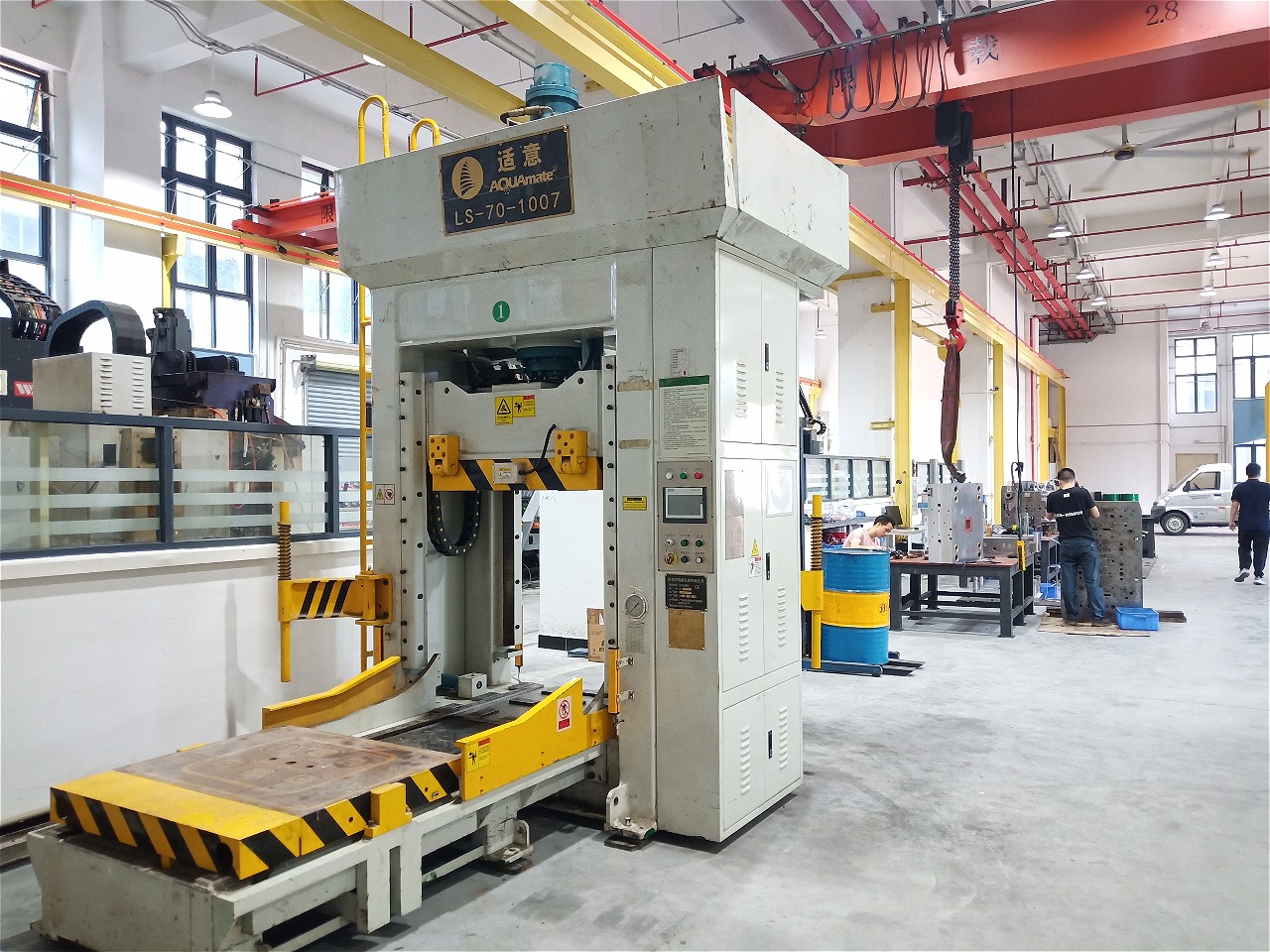
Stages of mold design
From gathering requirements to creating 3D models
The process of designing molds involves several key stages, each aimed at ensuring high quality and accuracy of the final product:
1
Gathering information
The client provides information about the manufactured product, including drawings, specifications, and technical requirements.
2
Concept development and drawing creation
Our engineers develop initial drawings and detailed descriptions of the future device, determining key parameters and design features.
3
Parameter layout
Parameter layout involves arranging all the necessary parameters, including the shape, material, dimensions, and other technical specifications required for the production of the mold.
4
Creating a 3D model
Developing a 3D model of the future product using advanced CAD software for accurate visualization and construction verification.
5
Prototyping and testing
Prototyping and trial manufacturing to identify and correct any potential inaccuracies. This is an important stage that allows for optimizing the design before mass production.
6
Documentation formation
Completion of the design process involves the formation of all necessary documentation, including technical drawings, specifications, and instructions for further production.
How our methods ensure high quality and precision
Unique features of mold design
Mold design is a crucial stage that determines the quality and precision of the final product. Each product or its component requires an individual approach, making the mold structure unique and sometimes complex. For example, a product with a cylindrical external shape may have internal compartments and partitions, complicating the design process and requiring special inserts in different planes.
To create a drawing of the future product, our designer must select the optimal cross-section of the product. Often, multiple cross-sections are required, especially if the part has a complex relief shape with voids or holes. To expedite the process, an experienced designer minimizes the number of additional cross-sections, leaving only those necessary for the accuracy of the design.
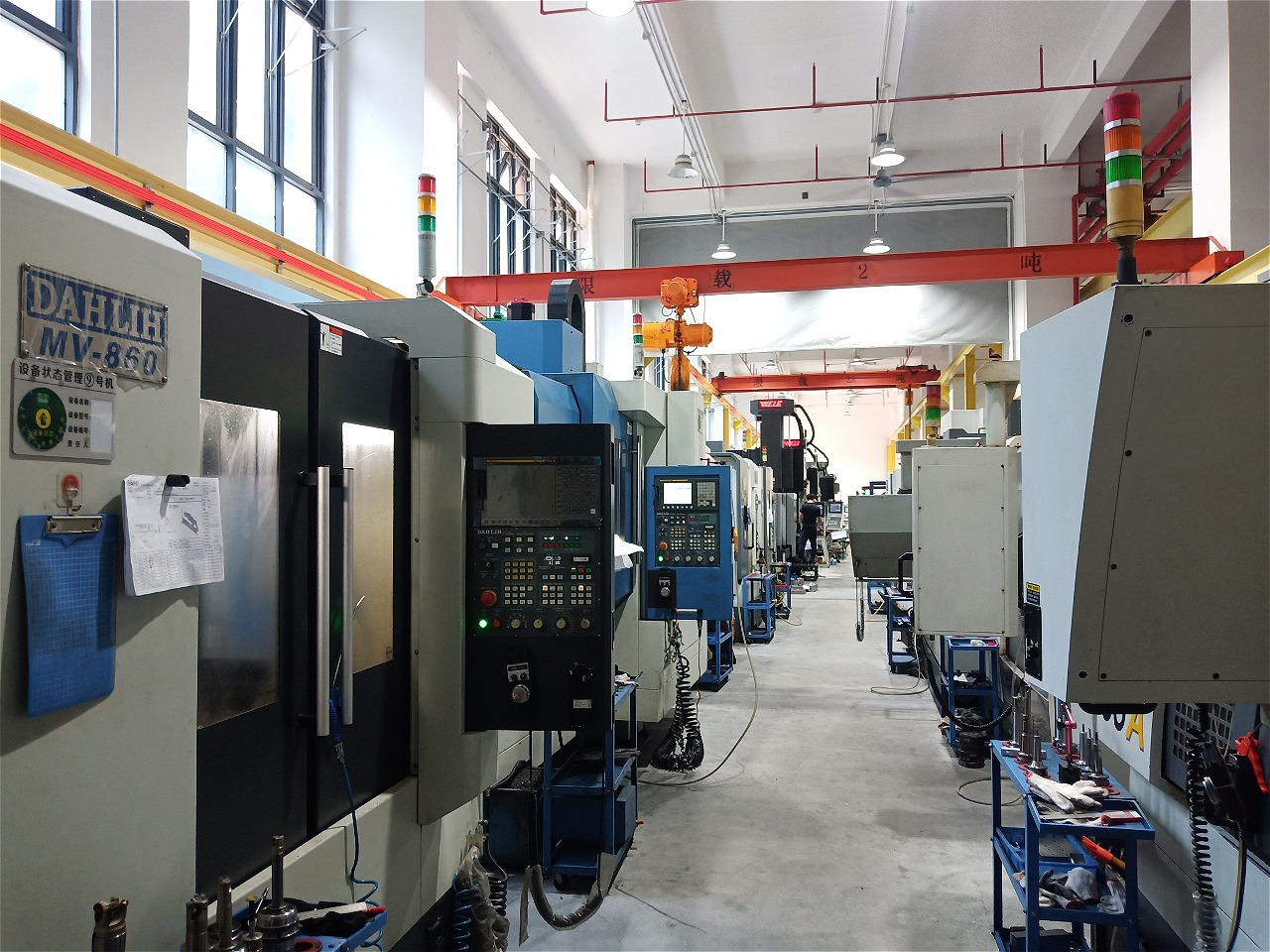
Key factors influencing mold design:
Optimization of cross-sections
Determining and minimizing the necessary cross-sections to simplify the design.
Cavity layout scheme
Developing a layout scheme for placing cavities in the mold.
Runner system organization
Planning the system for material delivery.
Cooling and ejection system
Developing efficient systems for cooling and ejecting the finished product.
Design is a critically important stage in mold manufacturing. A thorough approach to this process helps to avoid numerous problems during production. Modern modeling systems significantly simplify the design process, ensuring a high level of detail and accuracy. Creating drawings and 3D models of the future device during the design stage allows us to guarantee the quality and compliance of the final product with all customer requirements.
Technological Solutions
Technologies and Software Used
We use modern technologies and software to ensure high-quality mold design:
CAD (Computer-Aided Design)
For creating precise drawings and 3D models.
CAM (Computer-Aided Manufacturing)
For preparing data for production.
CAE (Computer-Aided Engineering)
For analyzing and optimizing mold designs.
These technologies enable us to ensure high precision and efficiency in design.
Innovative Approaches in Design
Implementing advanced technologies for creating high-quality molds
We actively employ innovative approaches in mold design to provide our clients with the most modern and efficient solutions. Our advanced methods include the use of computer modeling, 3D printing, and the integration of artificial intelligence and machine learning. These technologies allow us to optimize mold designs, reduce production time, and ensure high product quality.
Computer-Aided Engineering (CAE)
We use advanced Computer-Aided Engineering (CAE) software to analyze and optimize mold designs at the earliest stages of the design process. CAE allows us to identify potential issues and make necessary adjustments, significantly reducing the number of prototypes and testing time. For example, by using casting process simulations, we can predict material behavior and prevent defects from occurring.
3D Printing for Prototyping
The implementation of 3D printing allows us to create accurate mold prototypes in the shortest possible time. This speeds up the development process and enables our clients to see and evaluate the future product before mass production begins. For example, we use 3D printing to quickly create models of complex geometries, which helps reduce development time and costs.
Artificial Intelligence and Machine Learning
We apply artificial intelligence (AI) and machine learning (ML) methods to analyze large volumes of data and optimize production processes. AI helps us predict tool wear and plan their replacement, which increases mold lifespan and reduces downtime. For example, using machine learning algorithms, we can optimize casting parameters to improve product quality.
Utilization of Cloud Technologies
Cloud technologies enable our engineers to collaborate on projects in real-time, regardless of their location. This accelerates information exchange and decision-making processes, improving overall design efficiency. For example, by using cloud platforms, we can quickly share models and drawings with clients, receiving prompt feedback.
Generative Design
Generative design is an innovative approach where computer algorithms generate numerous design variations based on specified parameters and constraints. This allows us to find optimal solutions that might be unattainable through traditional design methods. For example, using generative design, we create molds with minimal weight and maximum strength, improving their performance and reducing material costs.
Quality Control Systems
Integrating automated quality control systems into the design and manufacturing process allows us to ensure the highest level of precision and reliability of our products. For example, by using optical scanning and data analysis systems, we can accurately measure the geometry of molds and detect even the slightest deviations from specified parameters.
These innovative approaches help us create molds that not only meet the highest quality standards but also exceed our clients’ expectations. We continuously strive to improve our technologies and processes to offer the best solutions on the market.
Custom Projects
Adaptation to Unique Requirements
We offer the opportunity to develop custom mold projects fully adapted to the unique requirements and production conditions of our clients. This allows us to create solutions that perfectly meet their specific needs.
Benefits of Partnering with BVT Impex
Why Choose Us
By partnering with BVT Impex, you gain a range of unique advantages that set us apart from the competition:
Team experience
Our team consists of experienced engineers and designers with many years of expertise in mold design. Their qualifications are validated by numerous certifications and client testimonials.
Quality and precision
We guarantee the high quality and precision of our design solutions. Our processes are certified to international standards, confirming our commitment to quality.
Cost reduction
Quality mold design helps significantly reduce costs for subsequent production and maintenance, ensuring long-term savings for our clients.
Modern technologies
We actively implement advanced technologies such as computer modeling, 3D printing, and artificial intelligence. These innovations allow us to create more efficient and durable molds, as well as optimize production processes, thereby enhancing overall productivity and the quality of our products.
Examples of our products
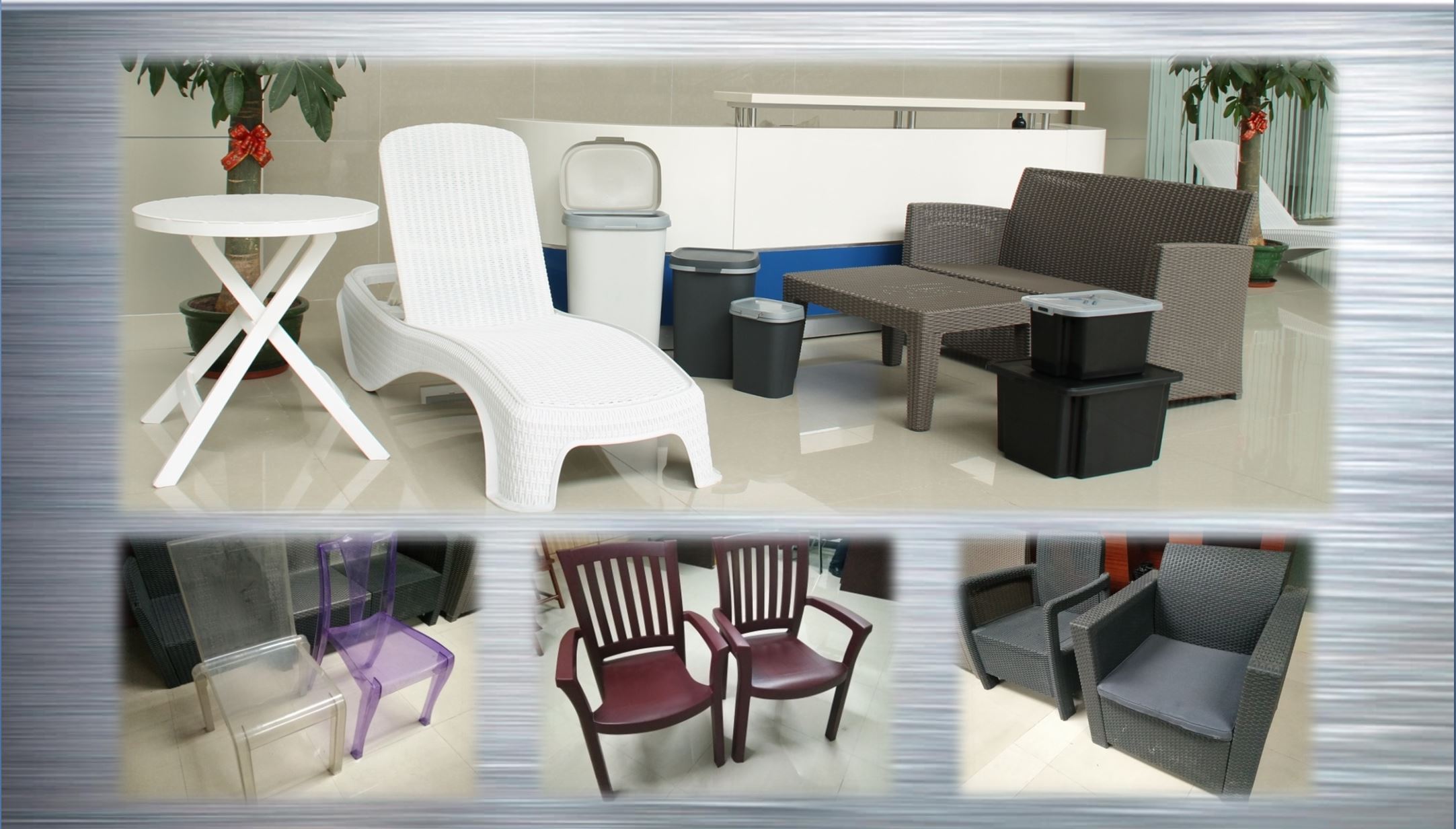
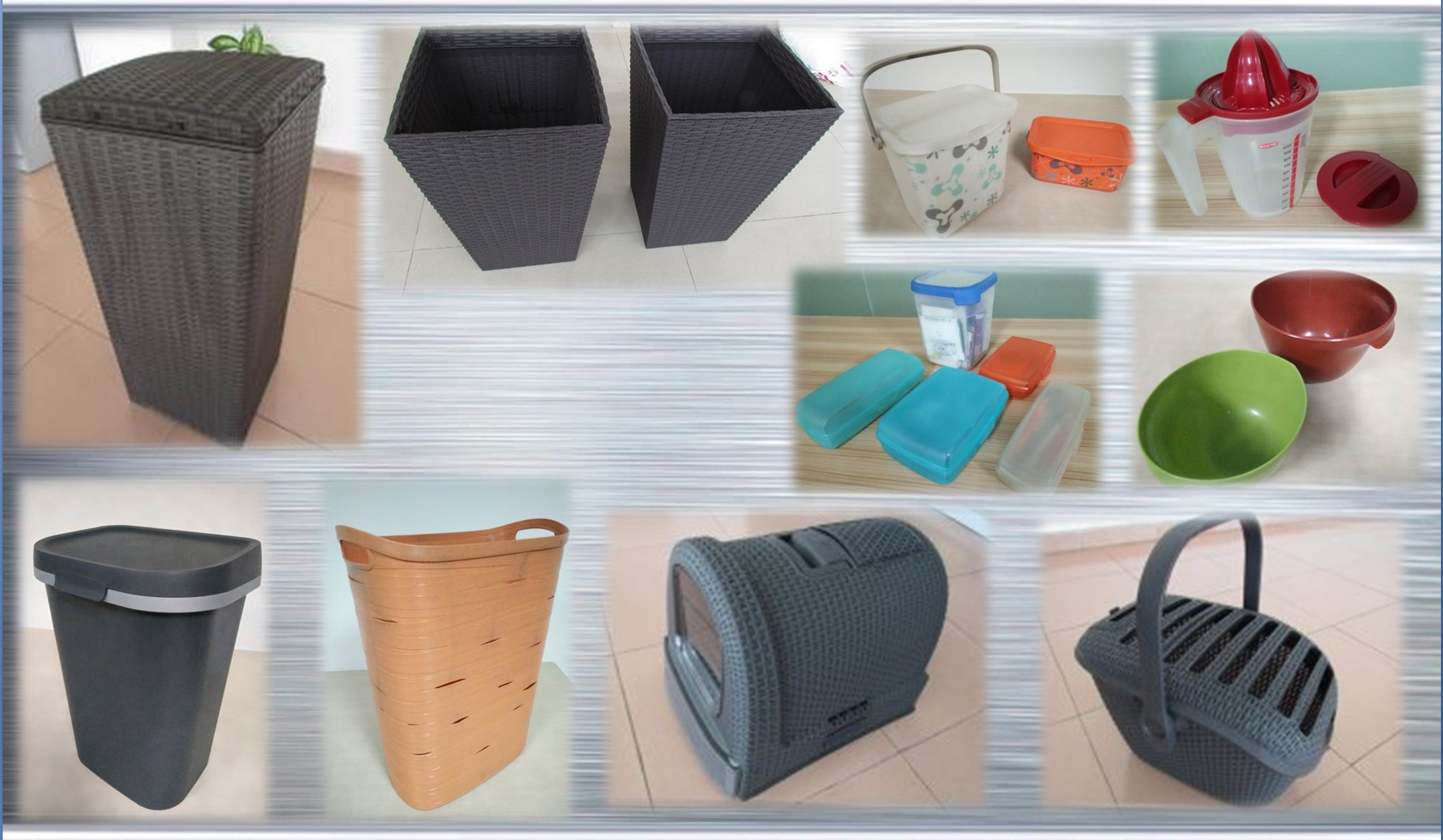
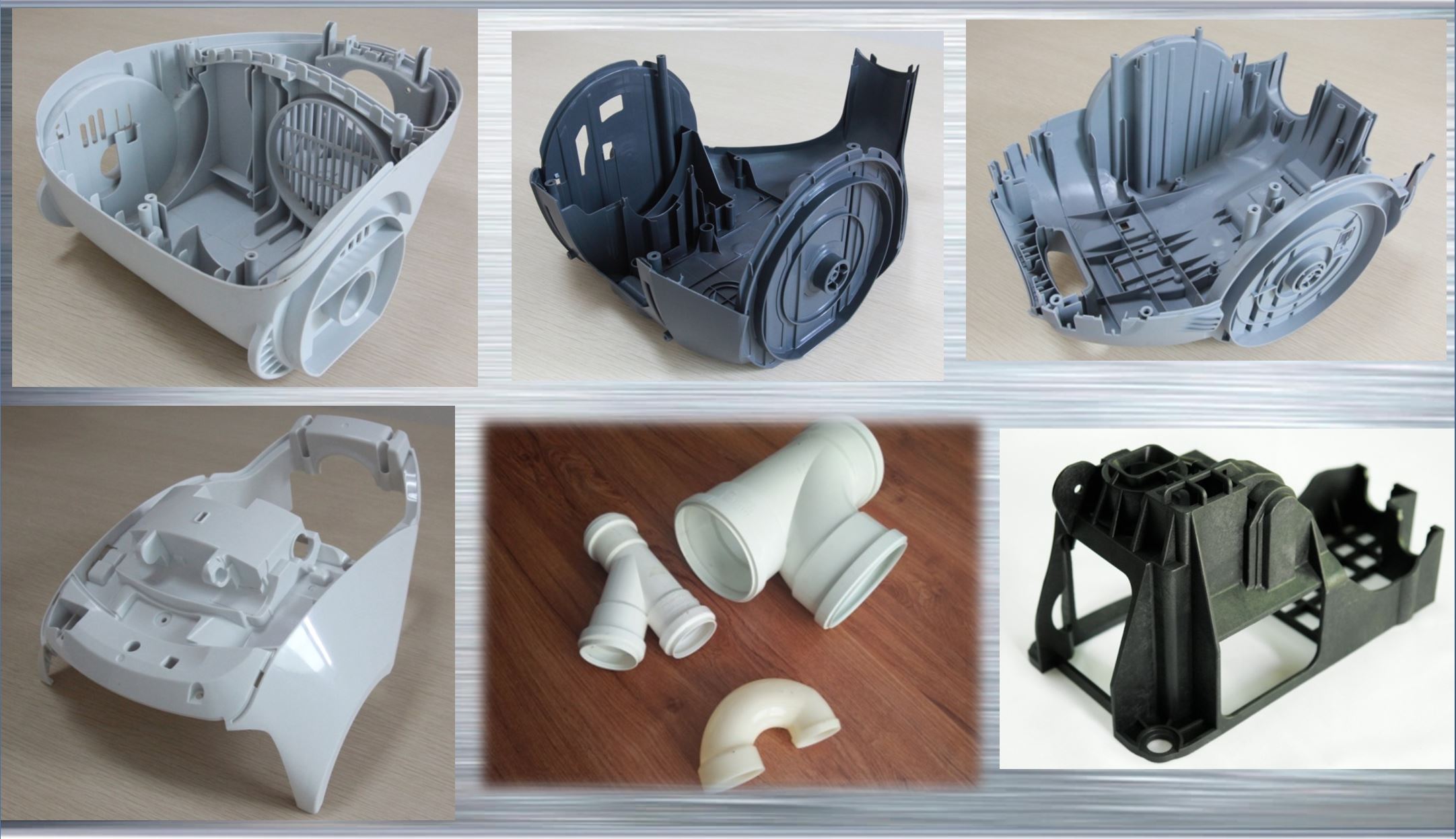
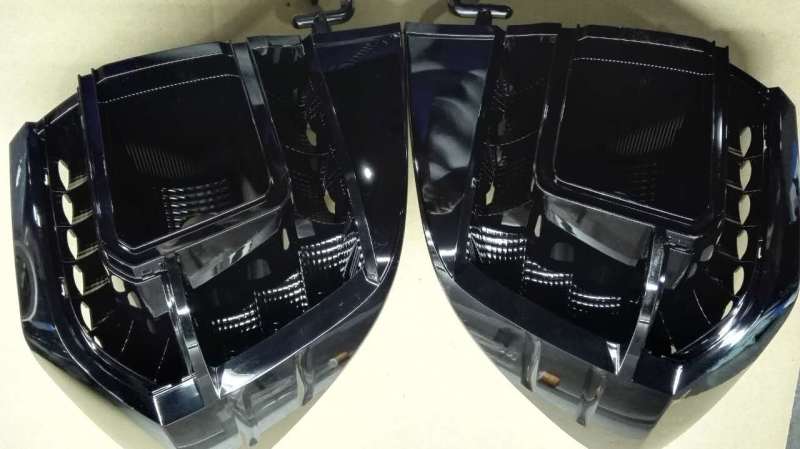
Products created with our molds
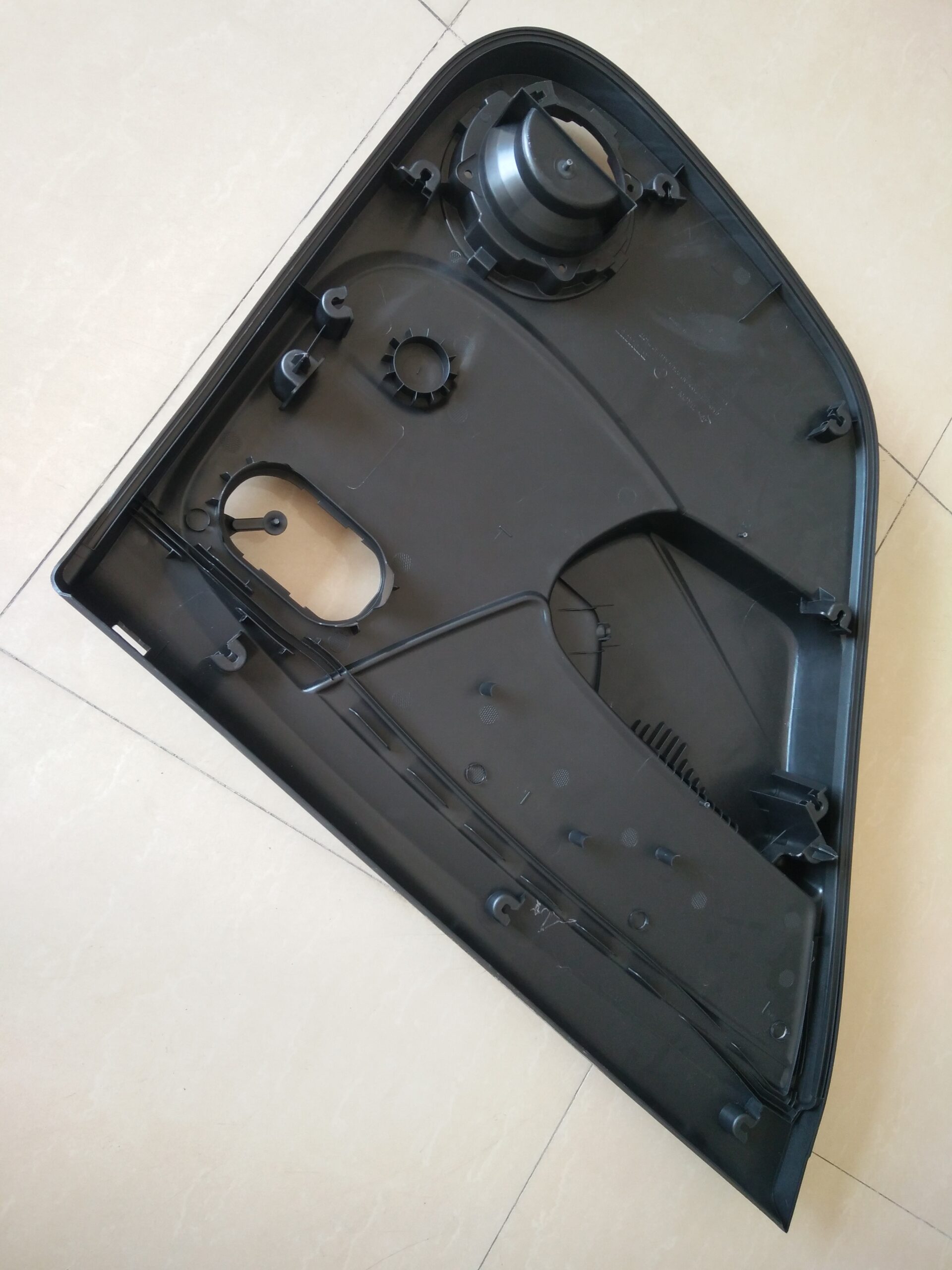
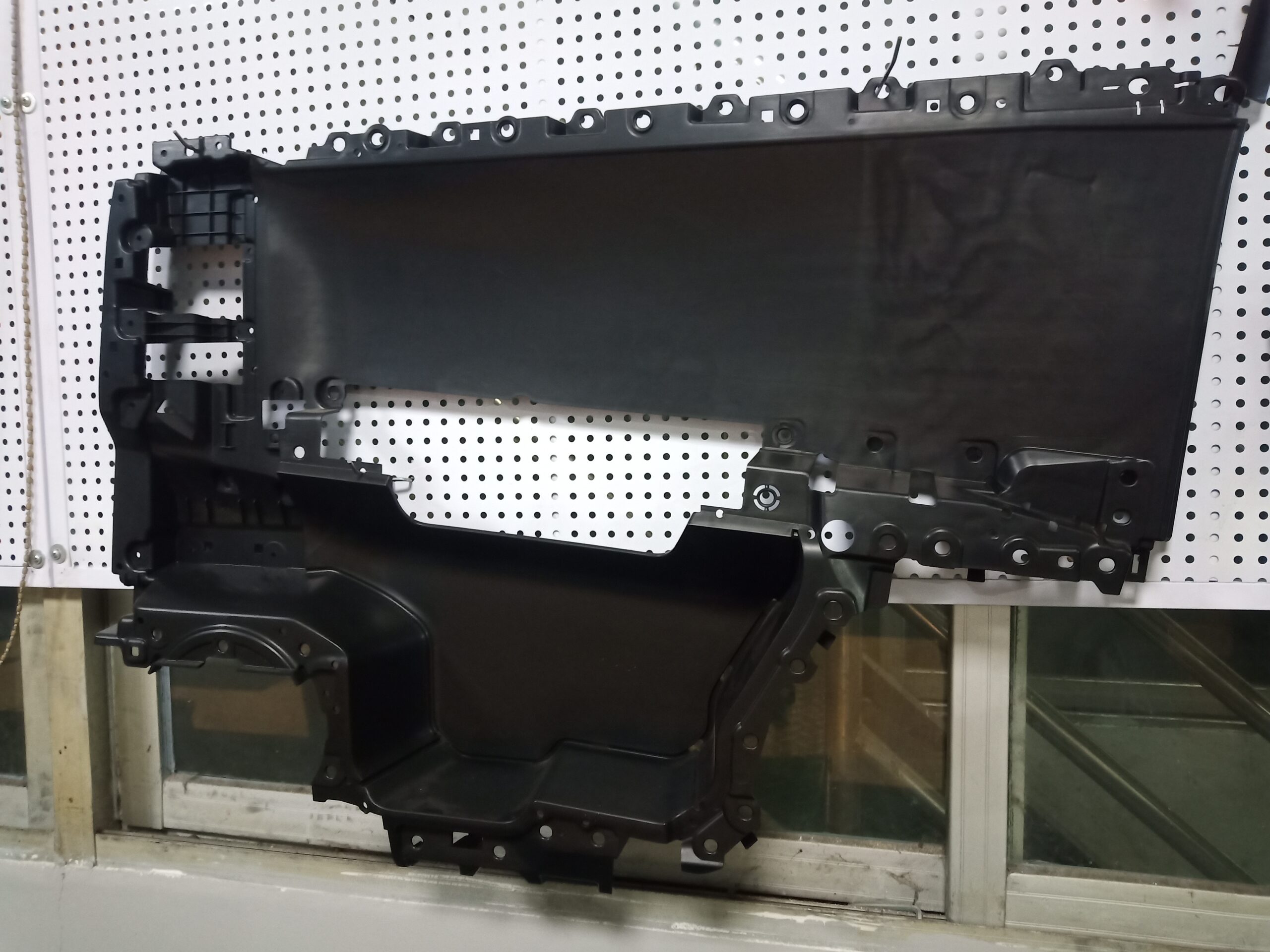
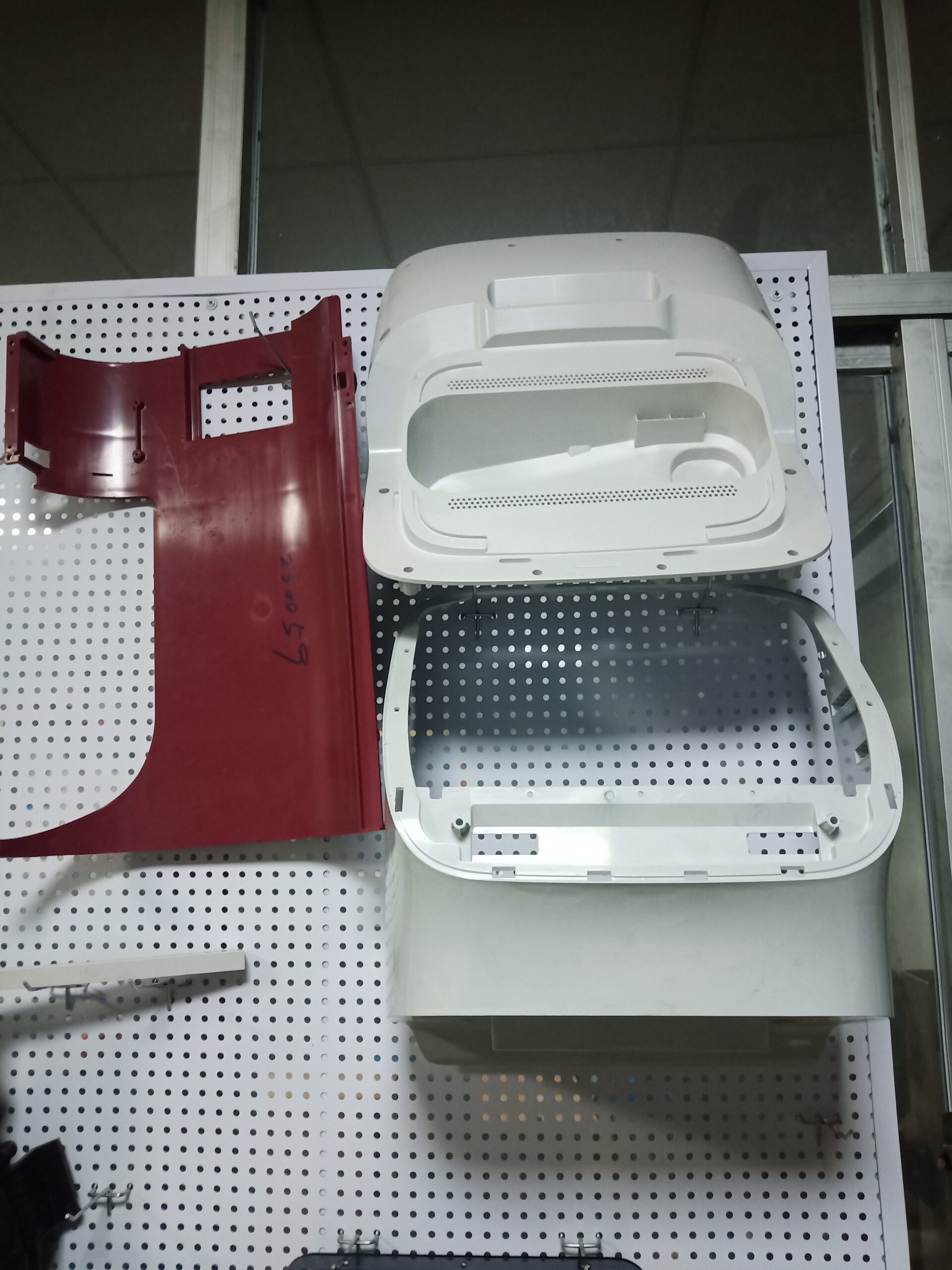
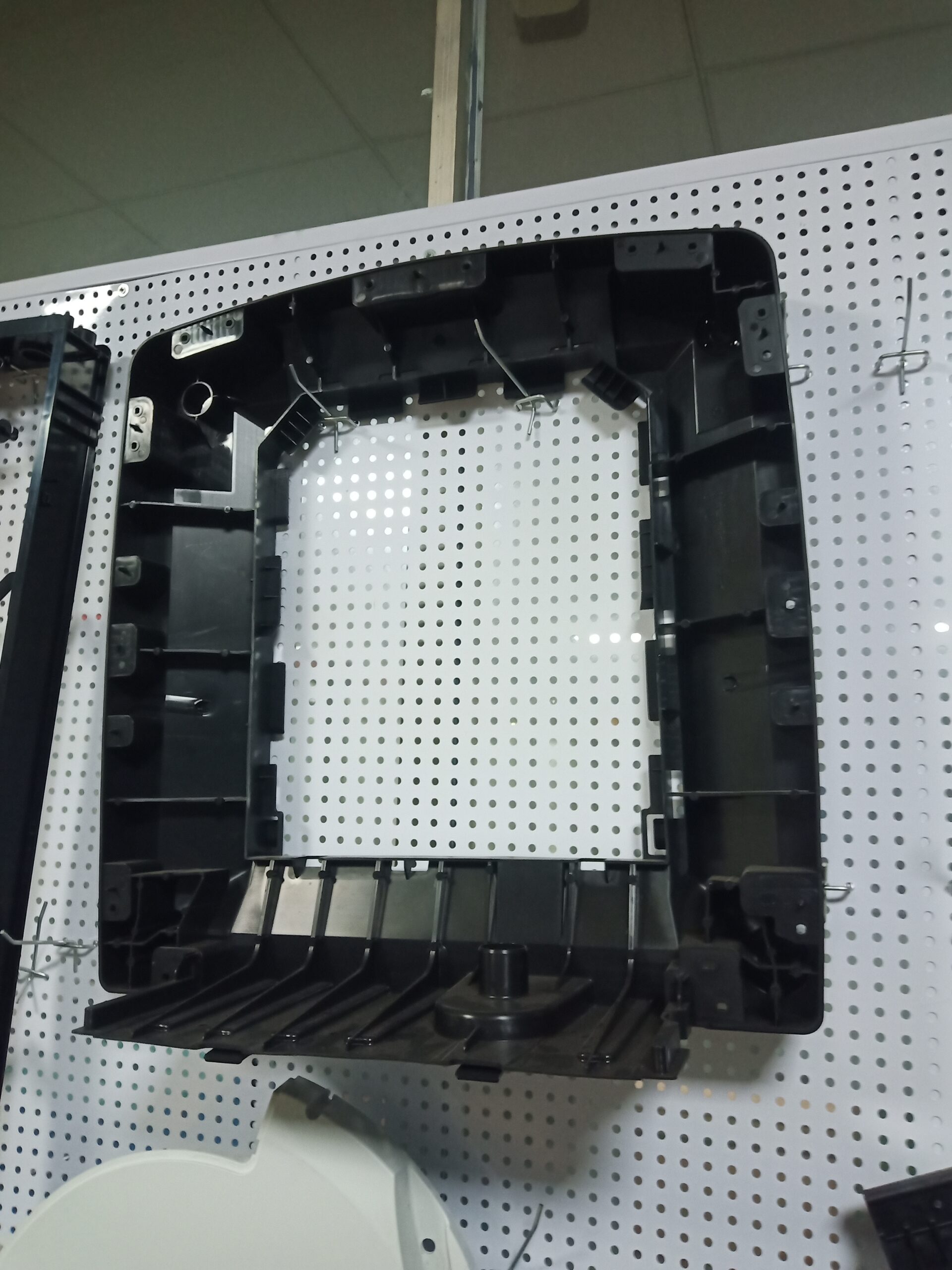
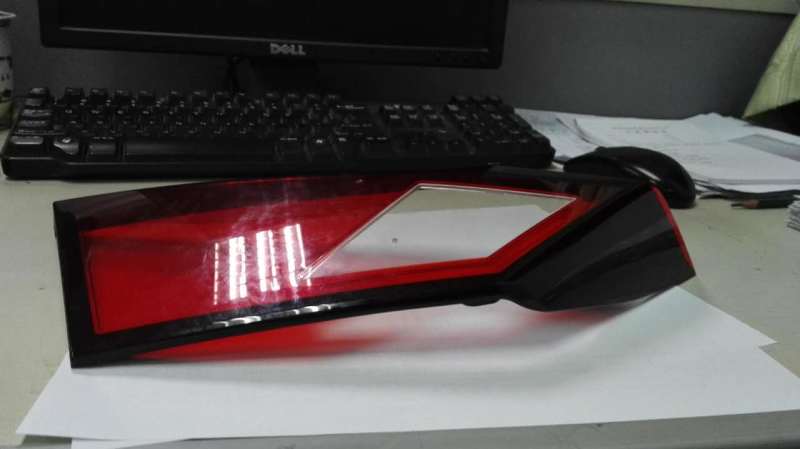
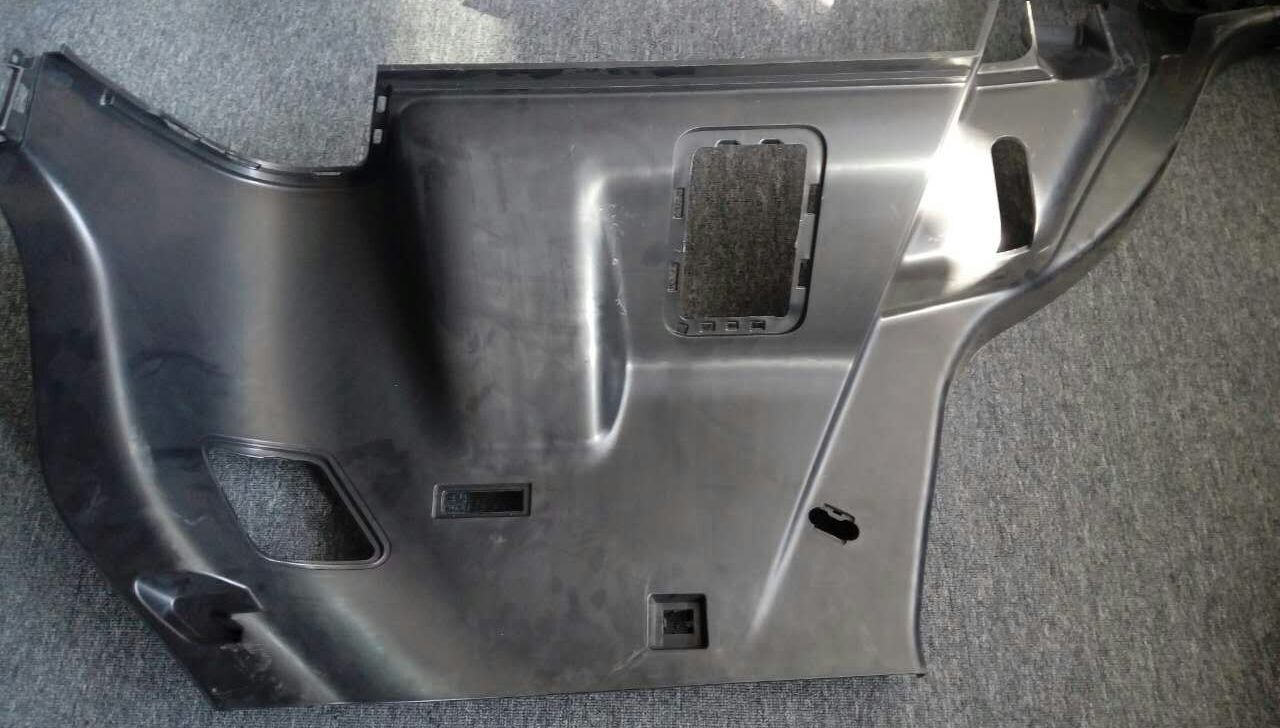
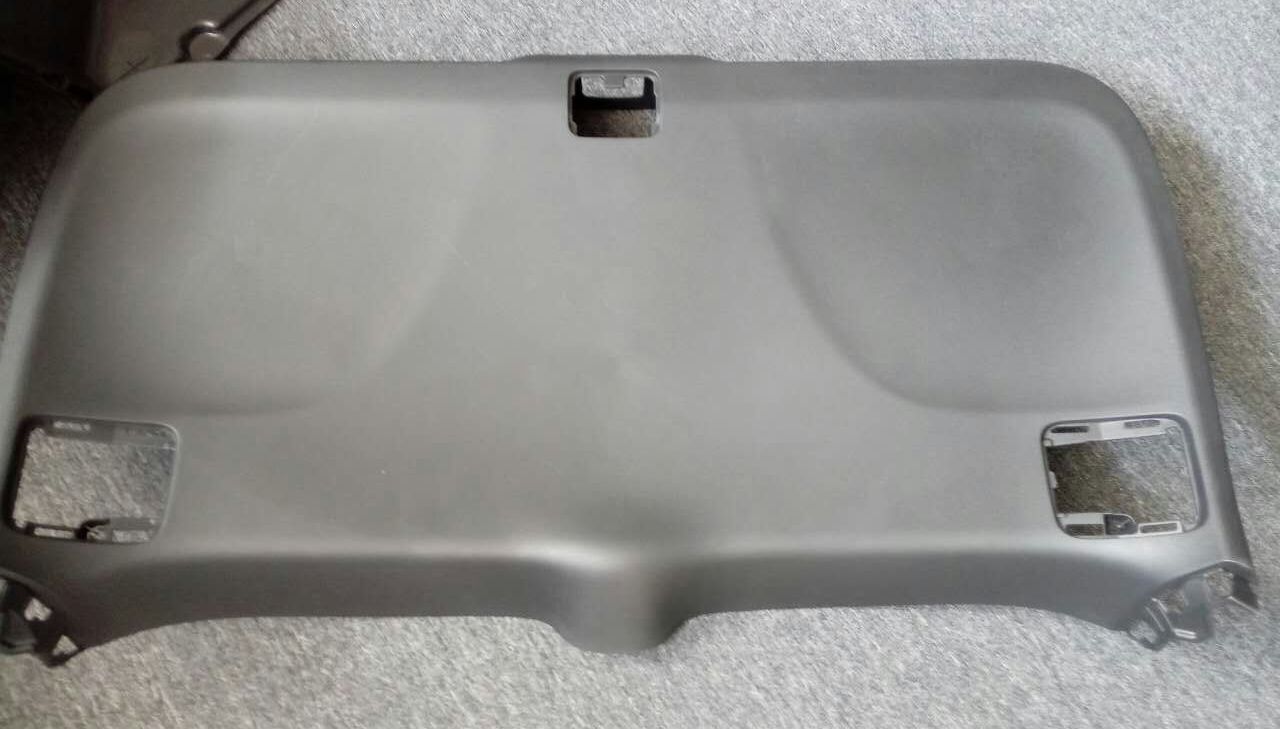
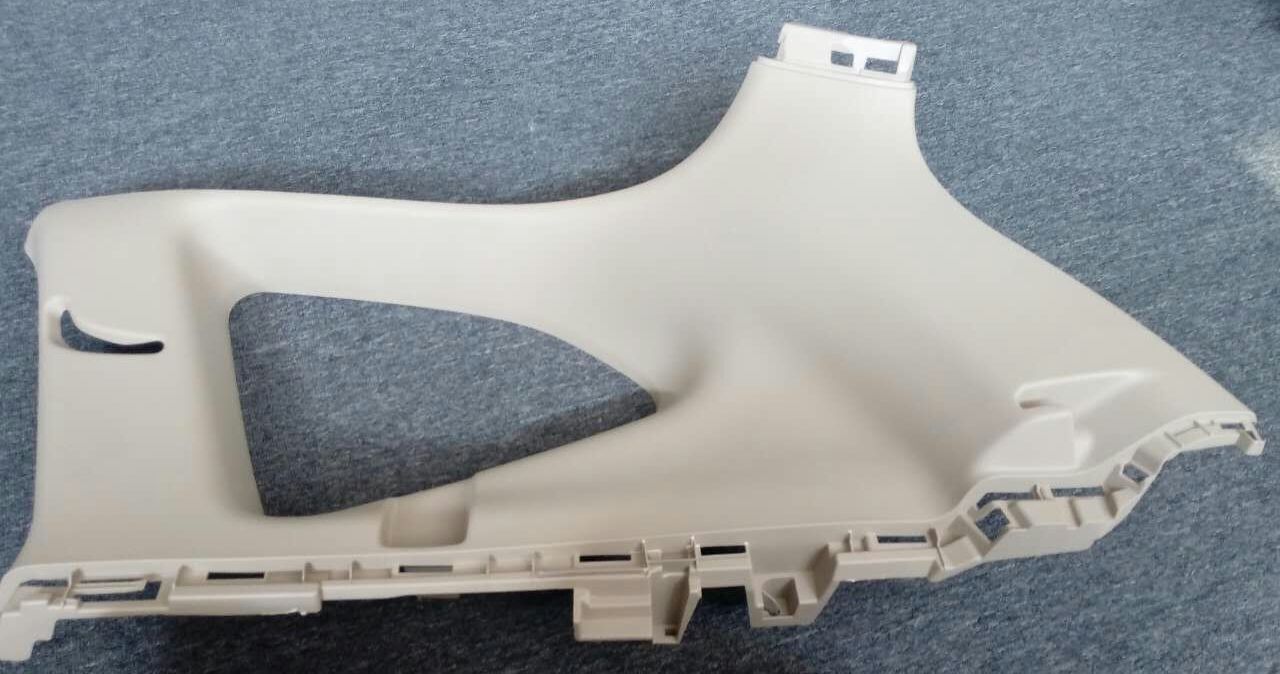
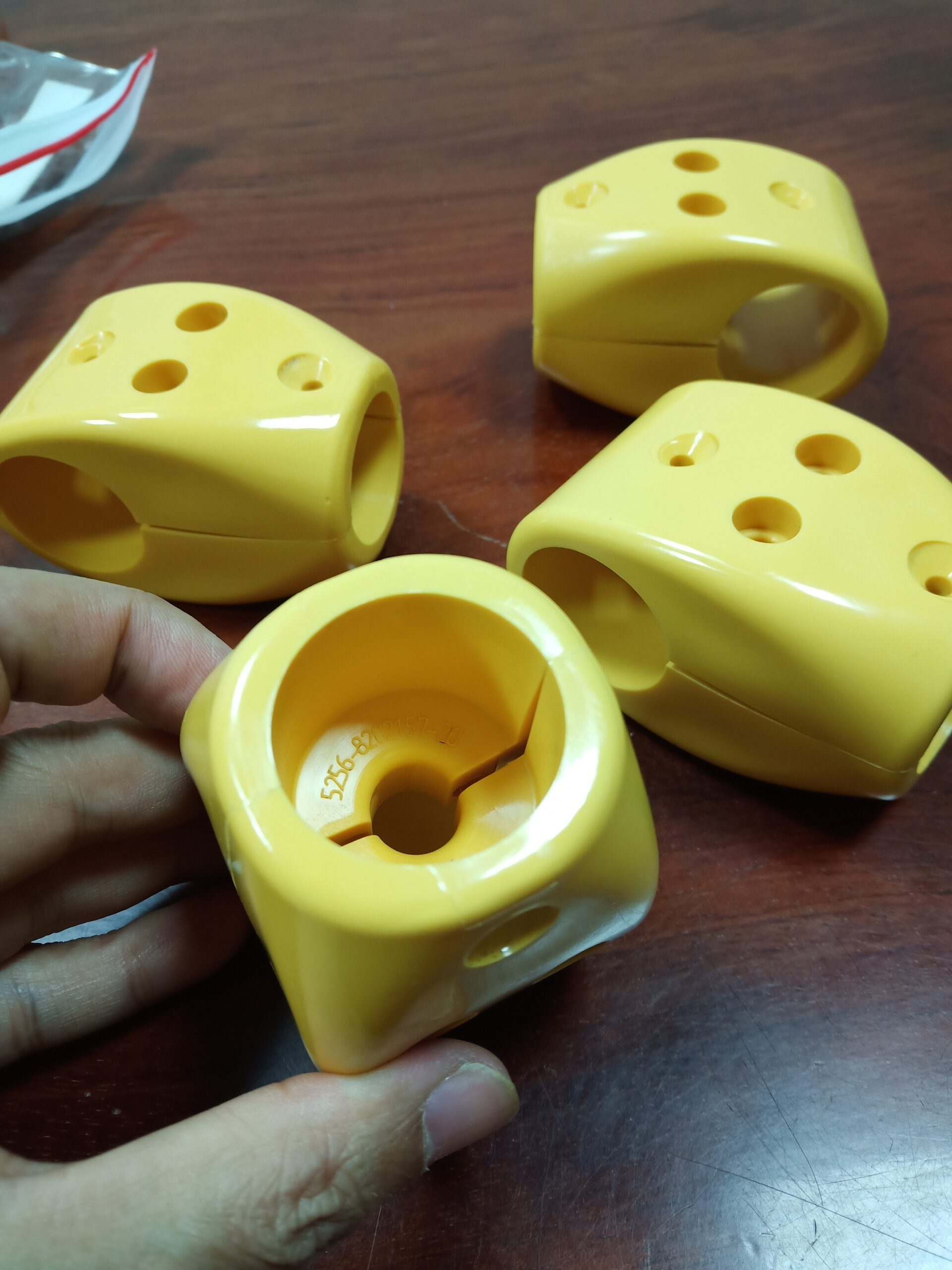
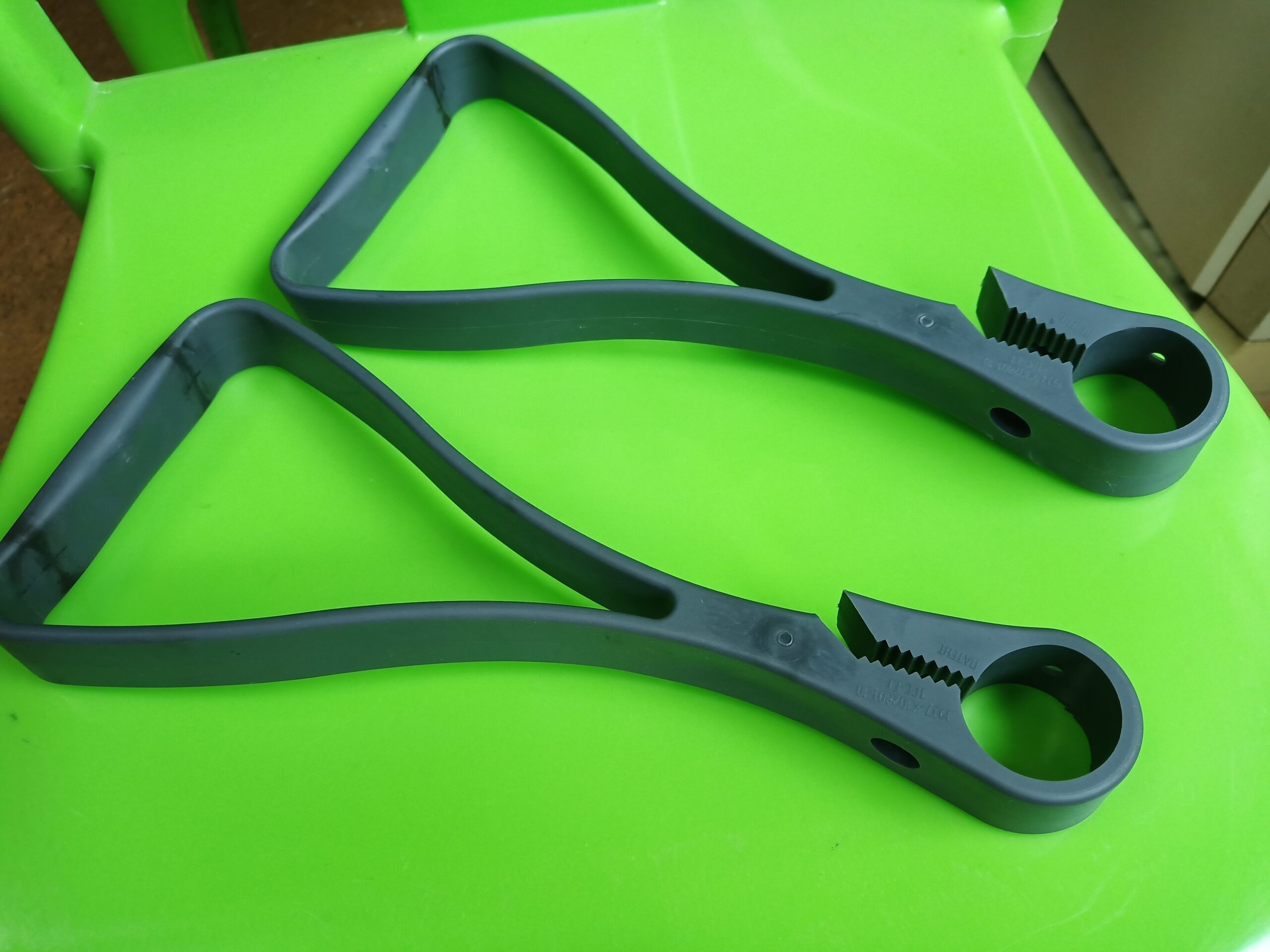
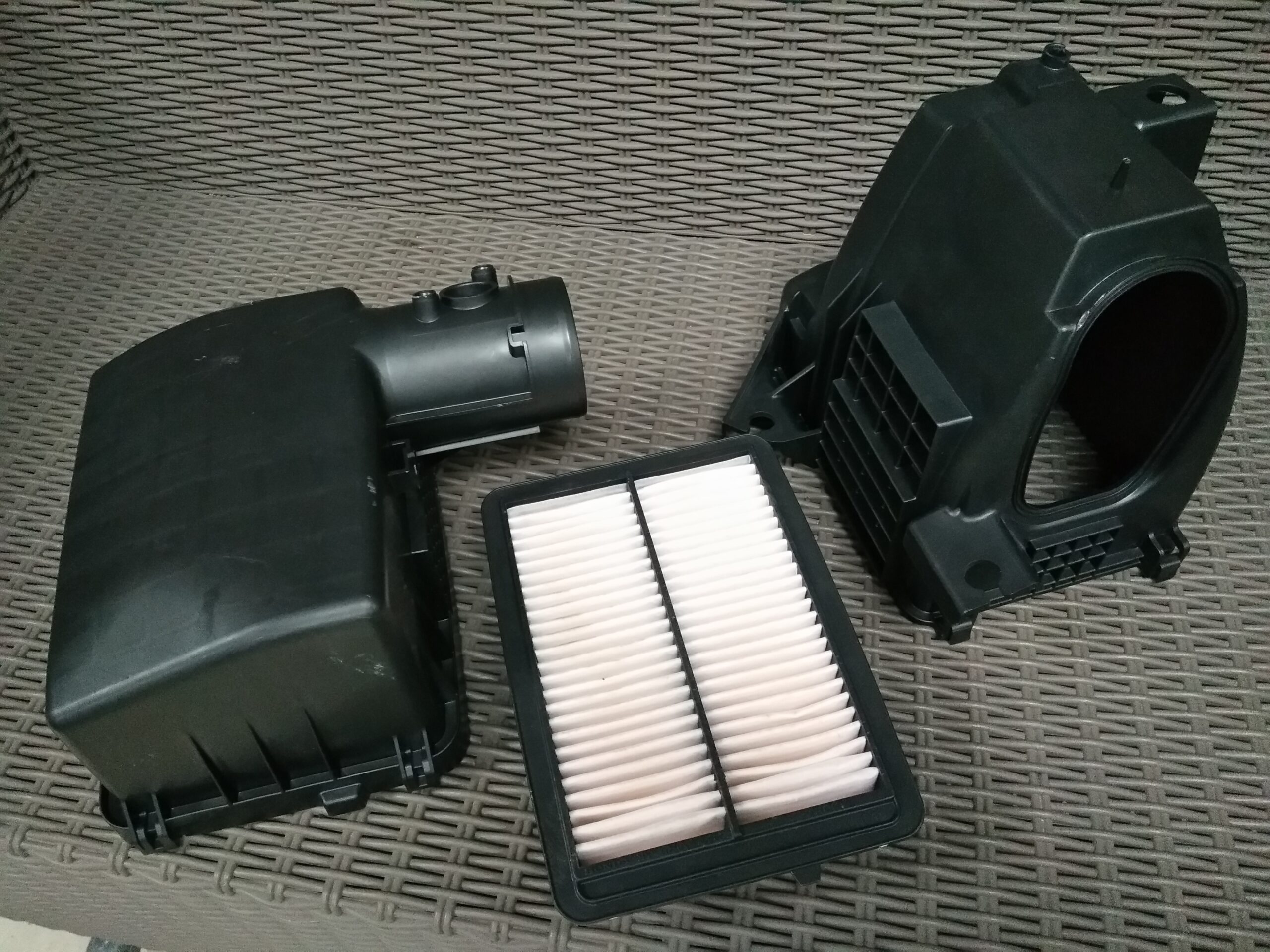
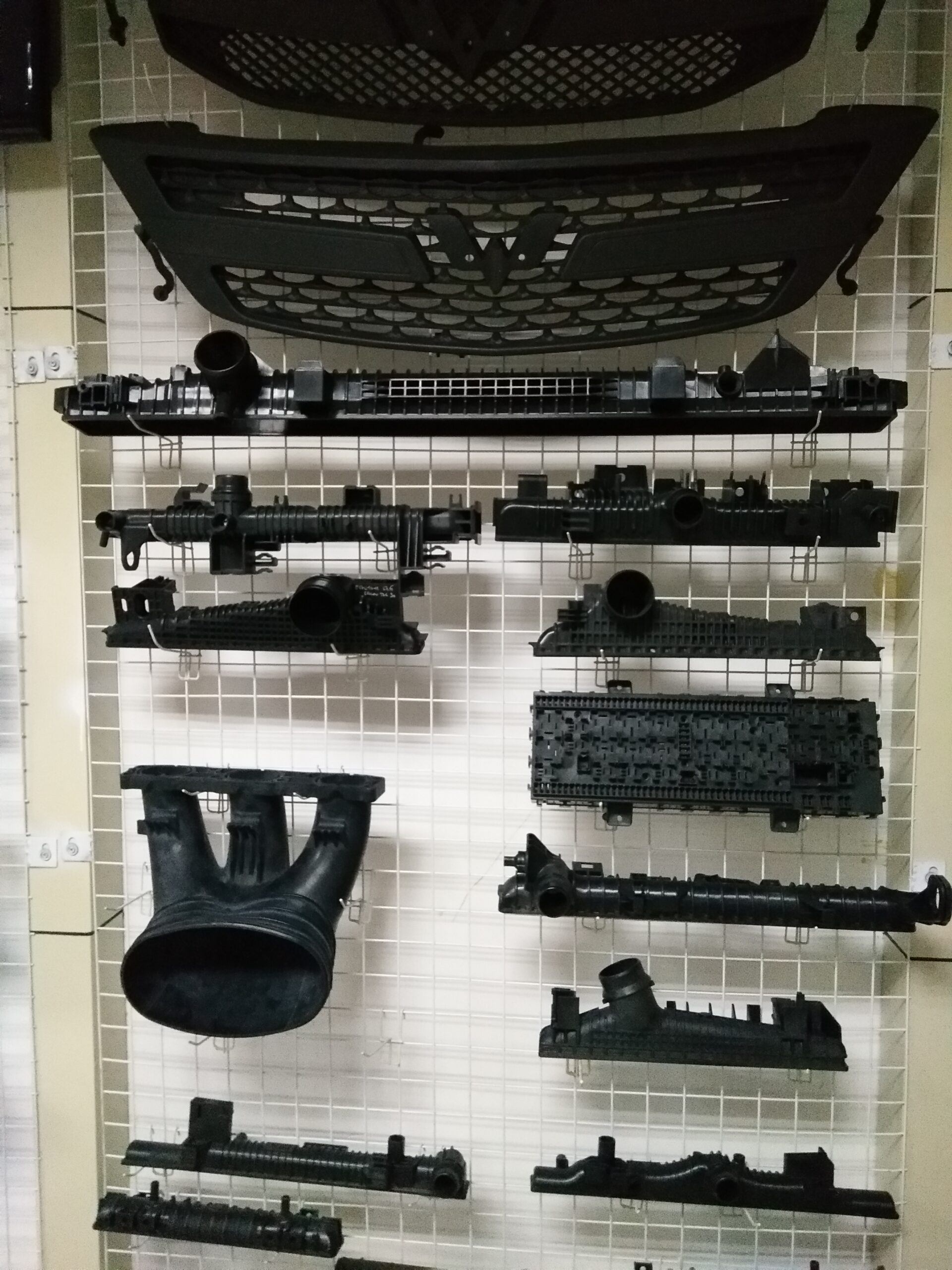
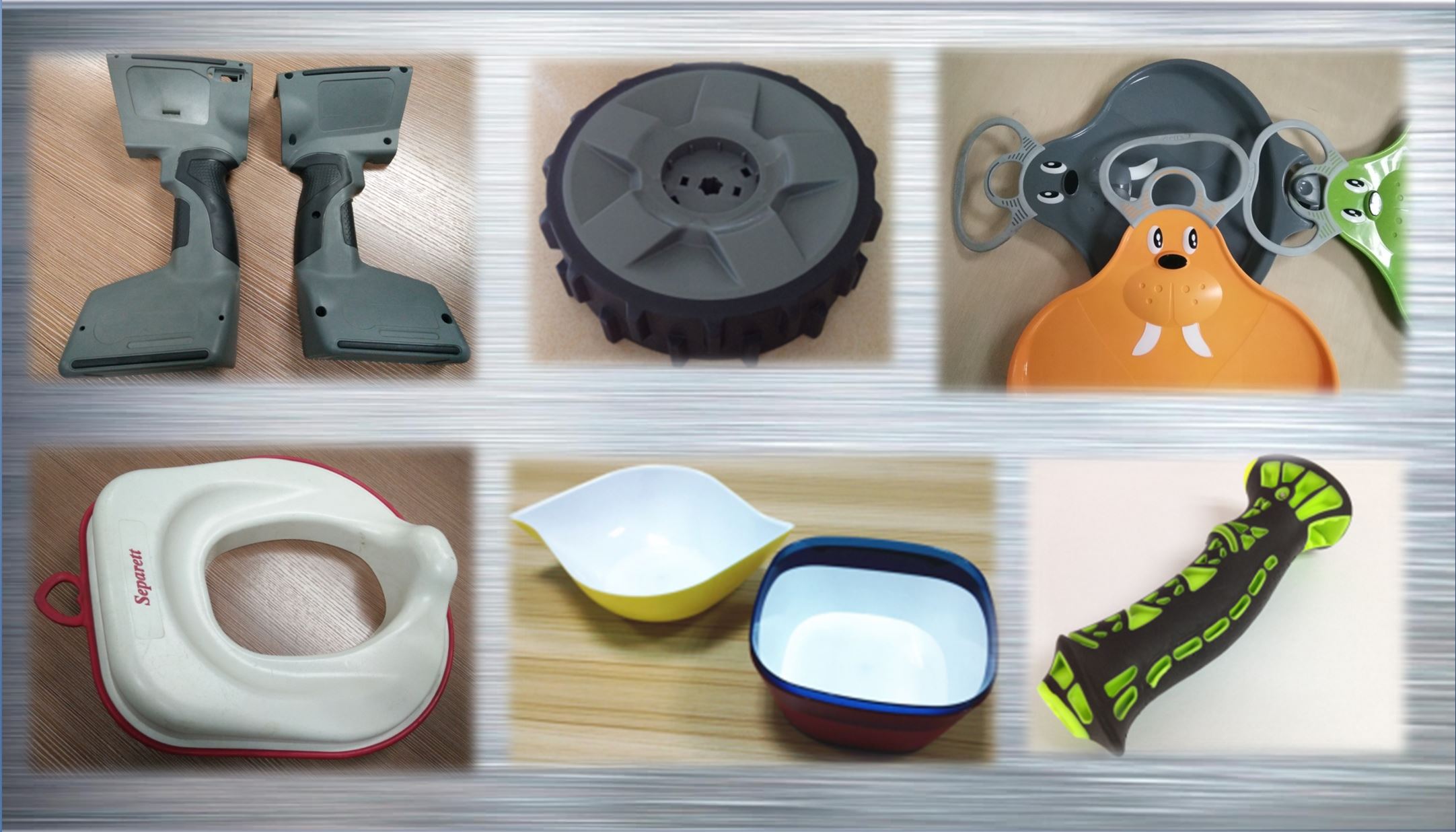
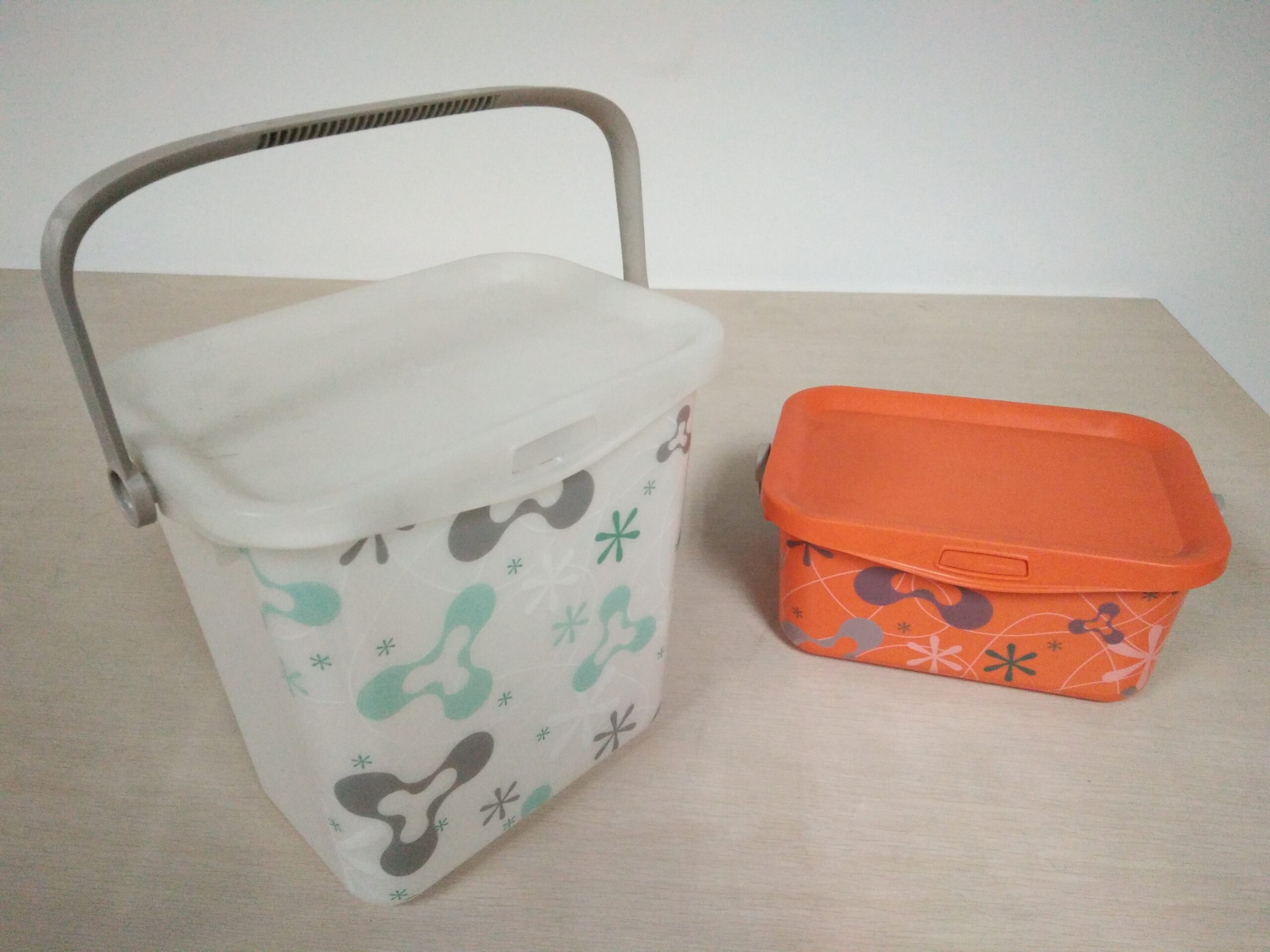
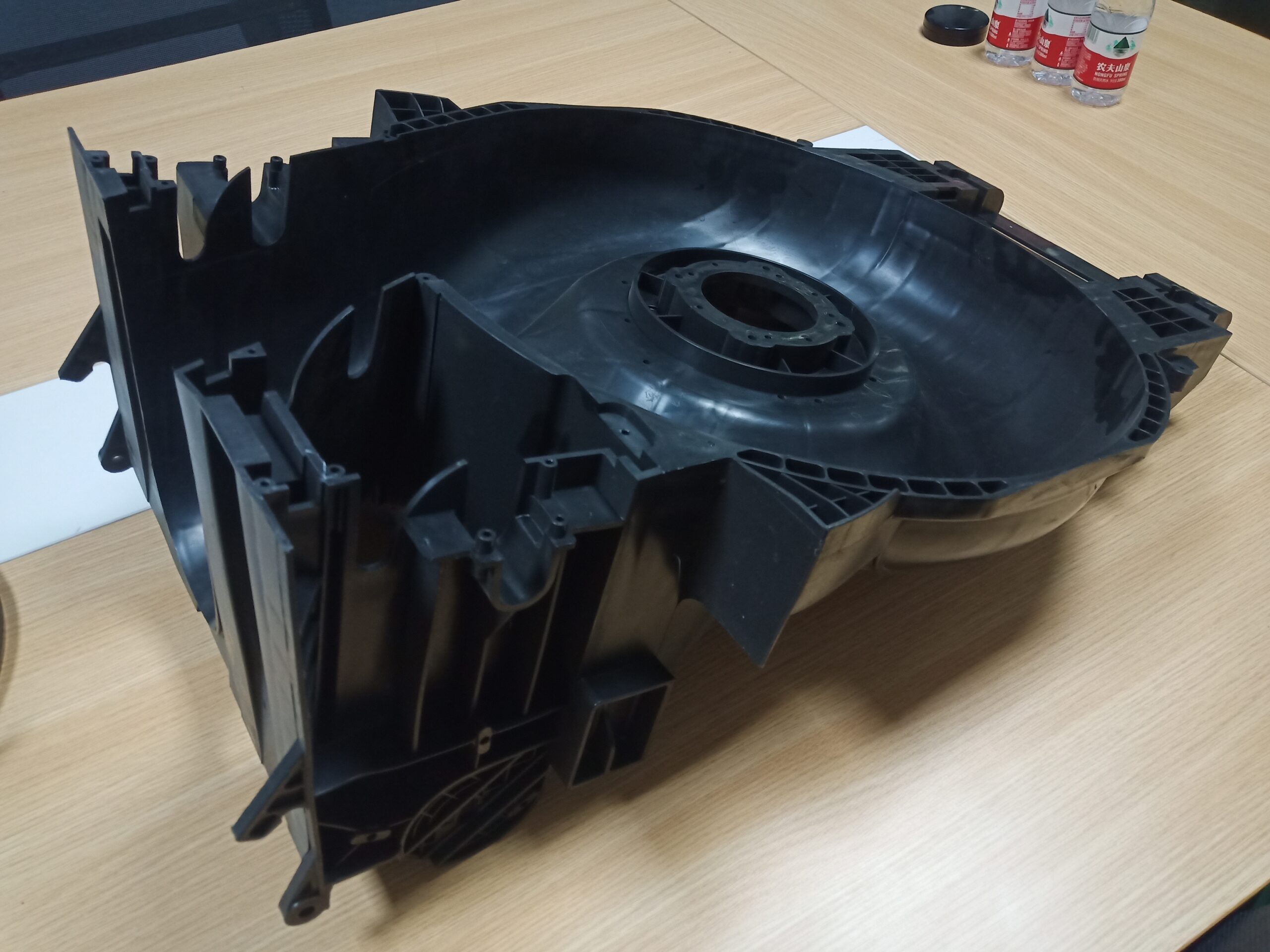
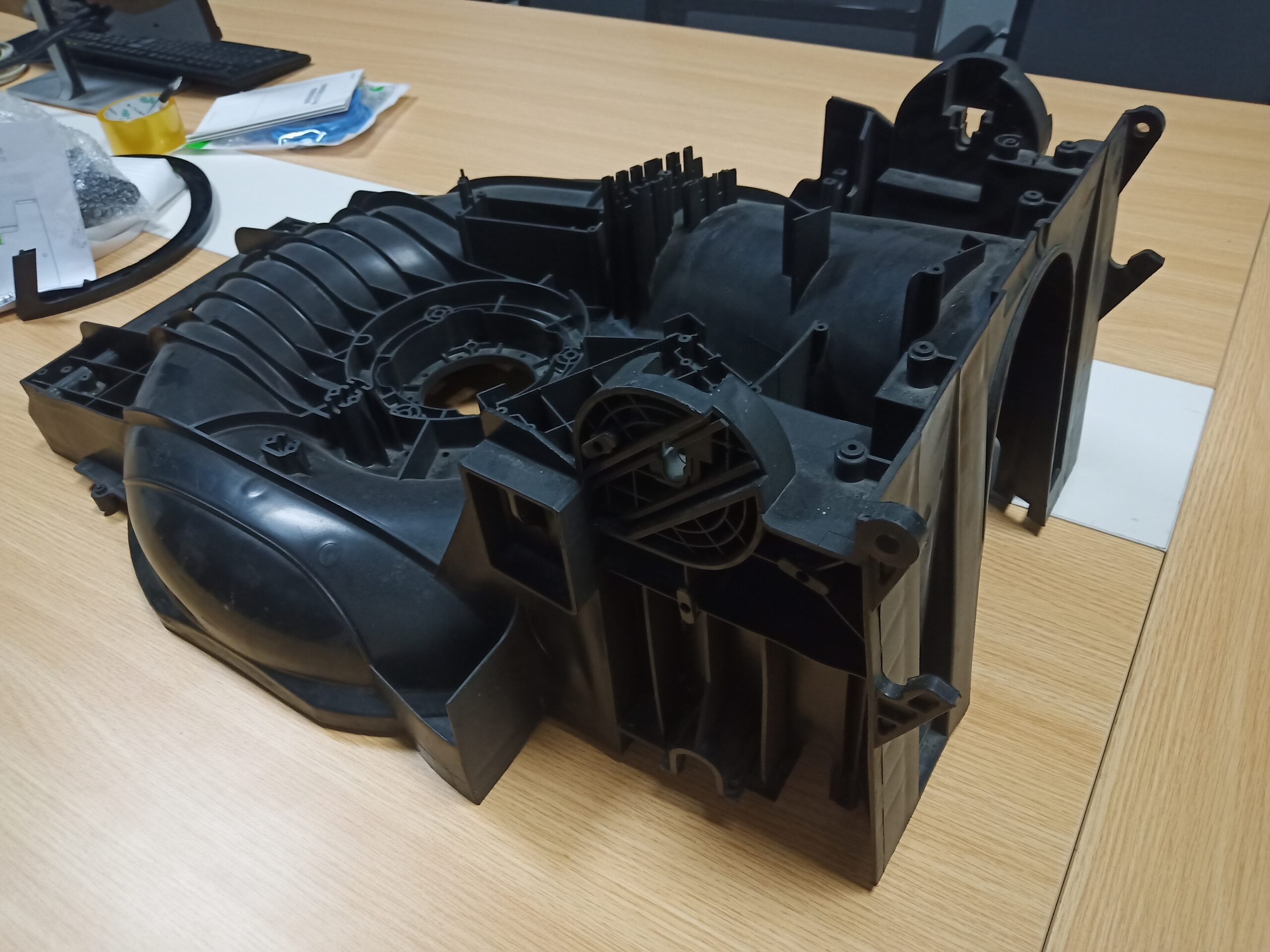
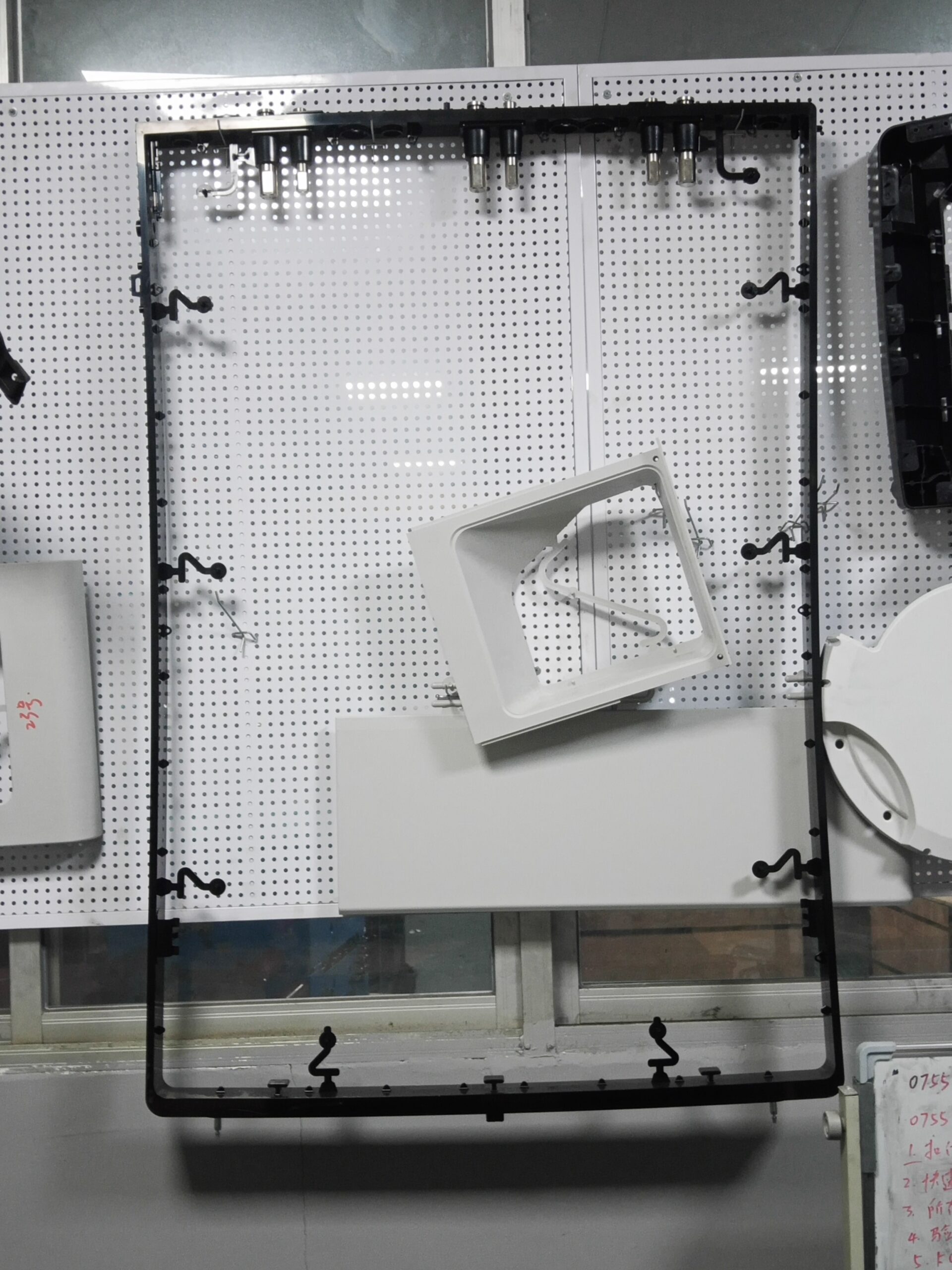
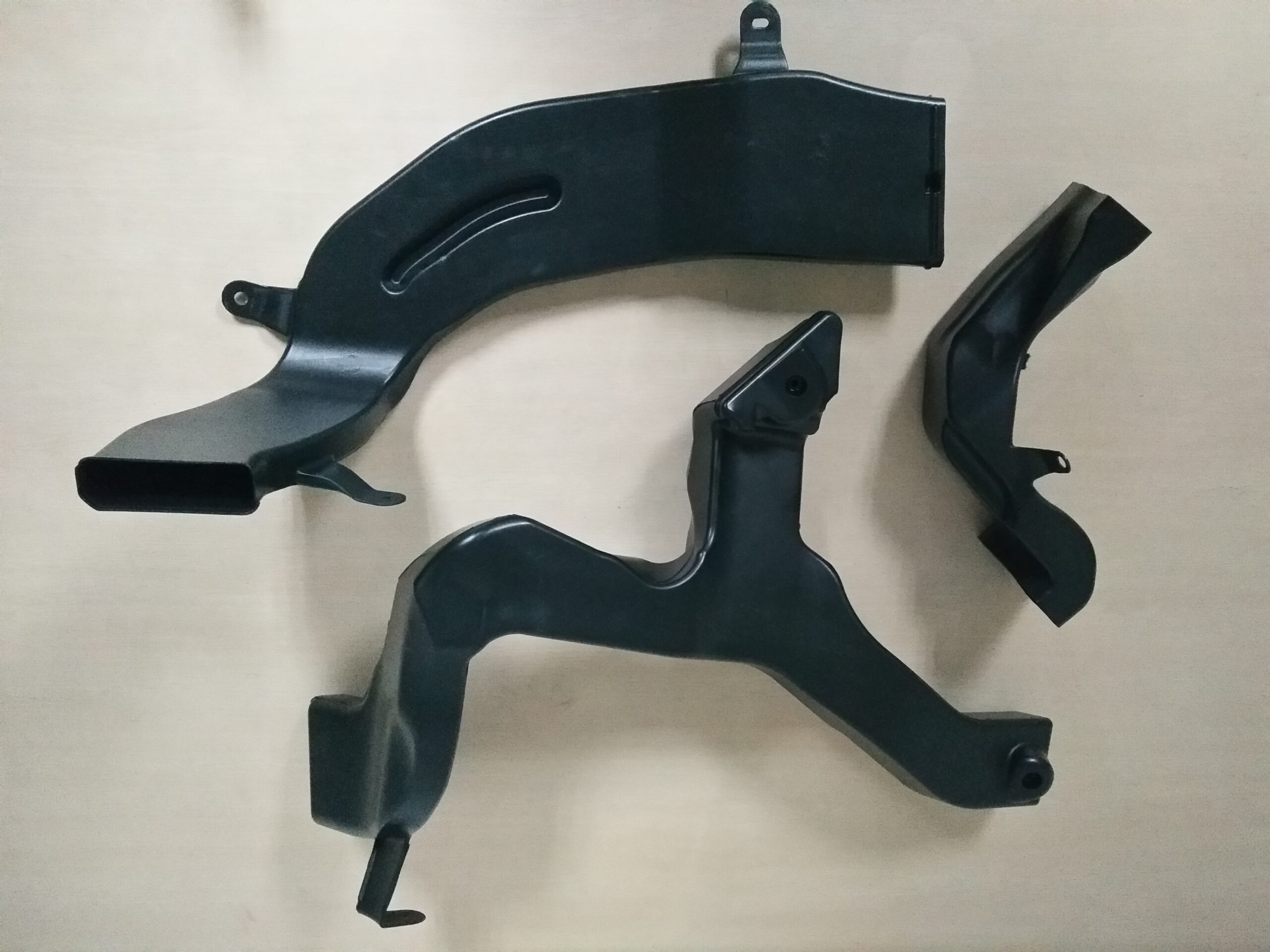
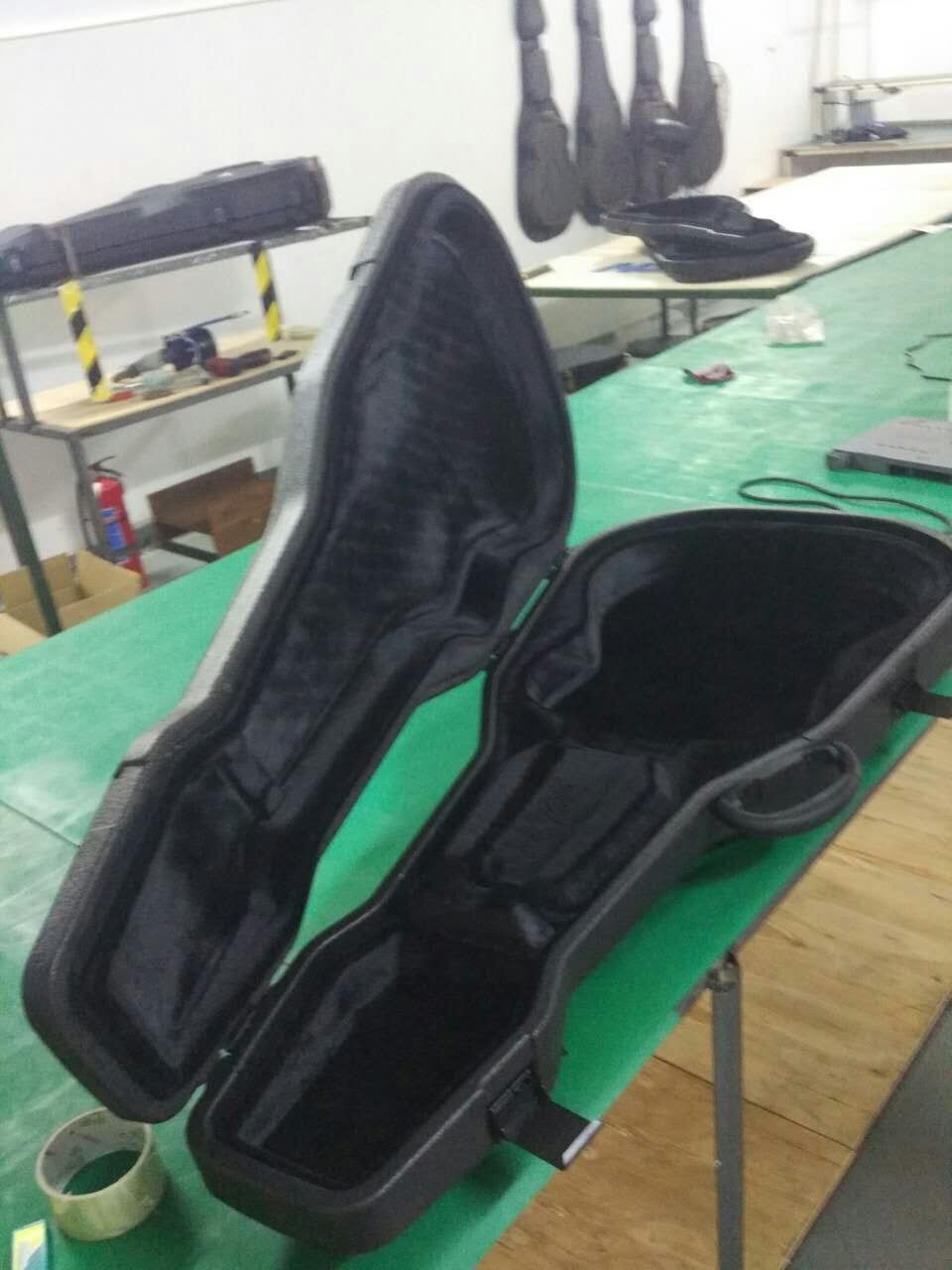
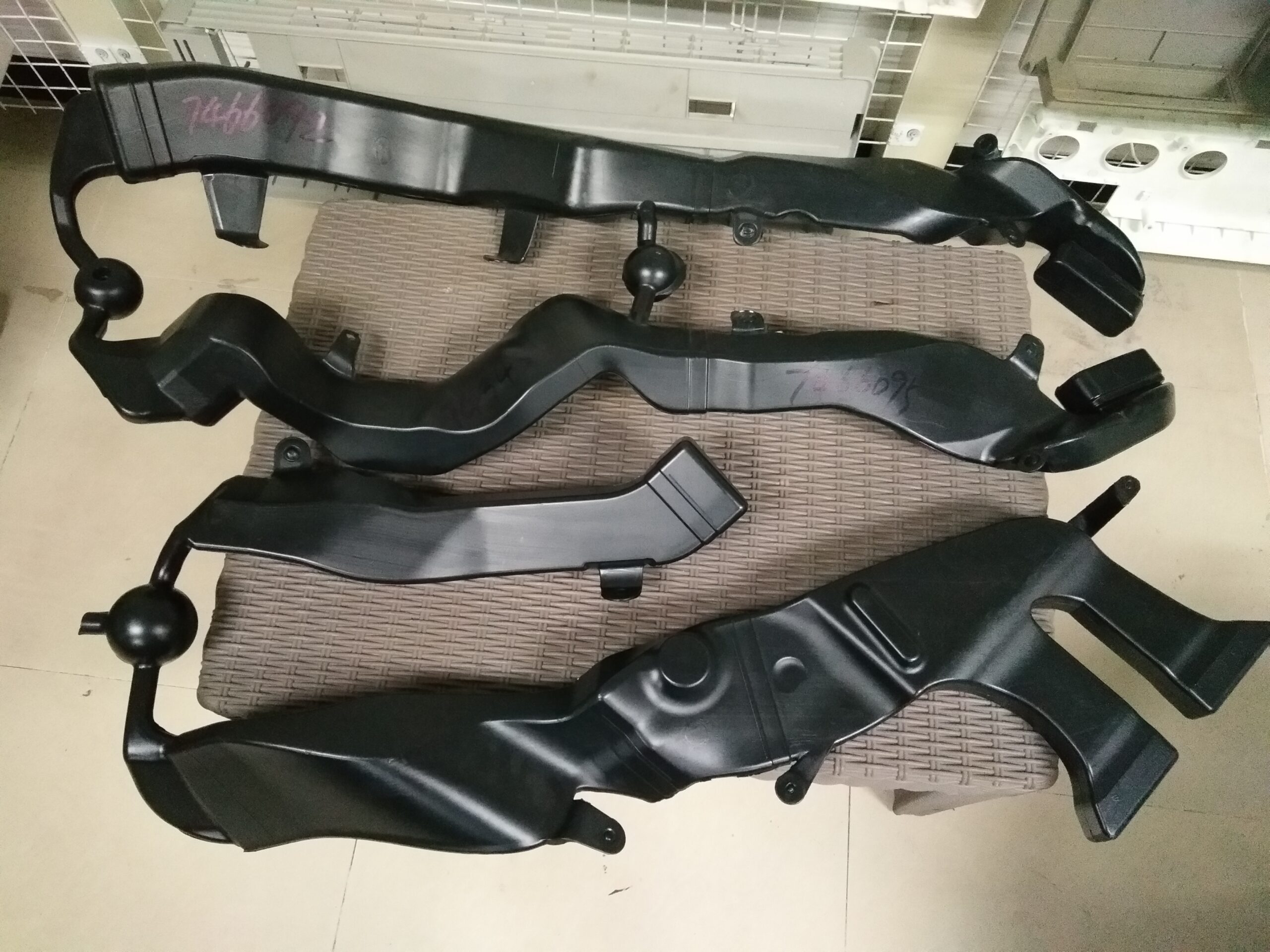
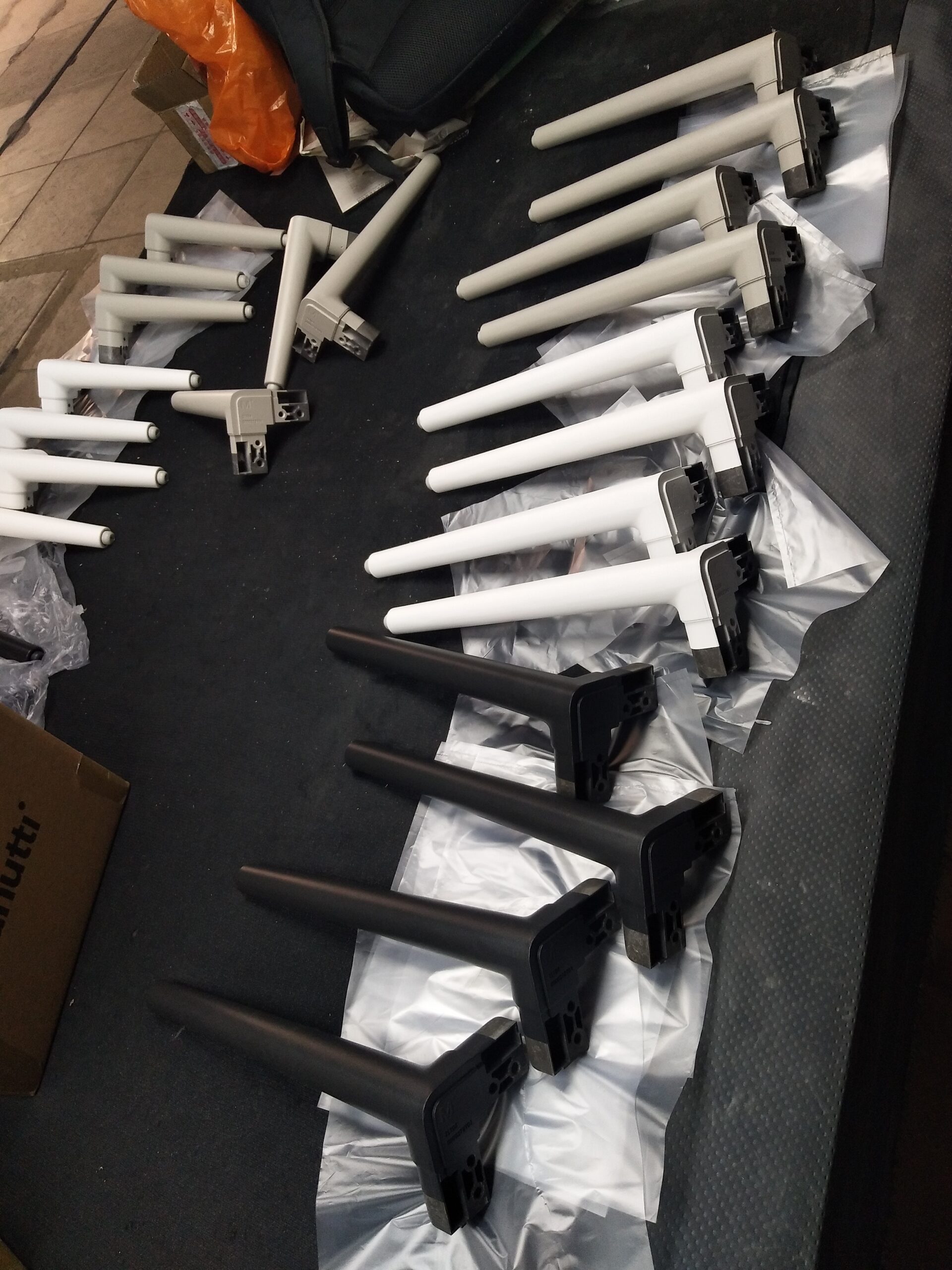
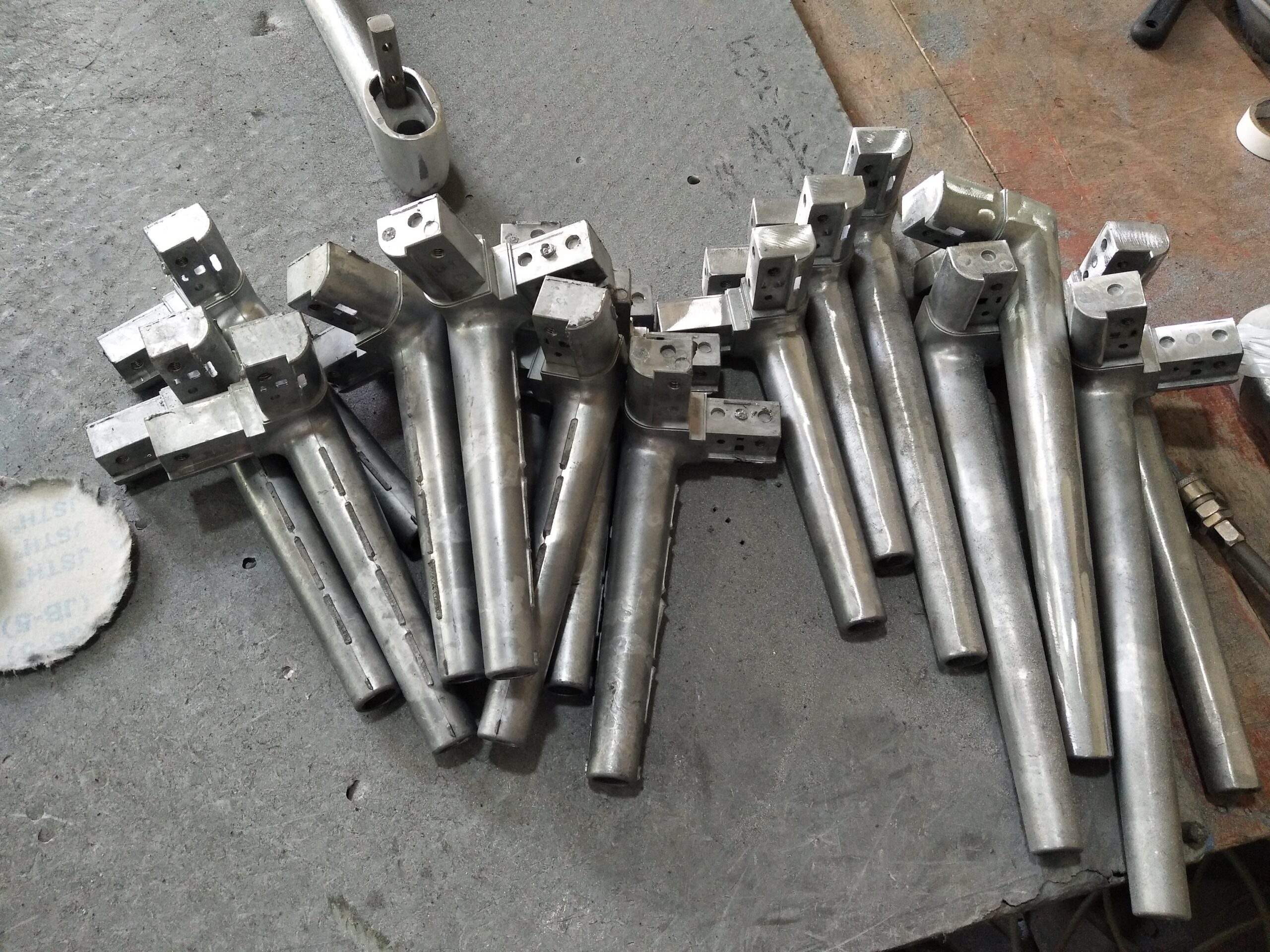
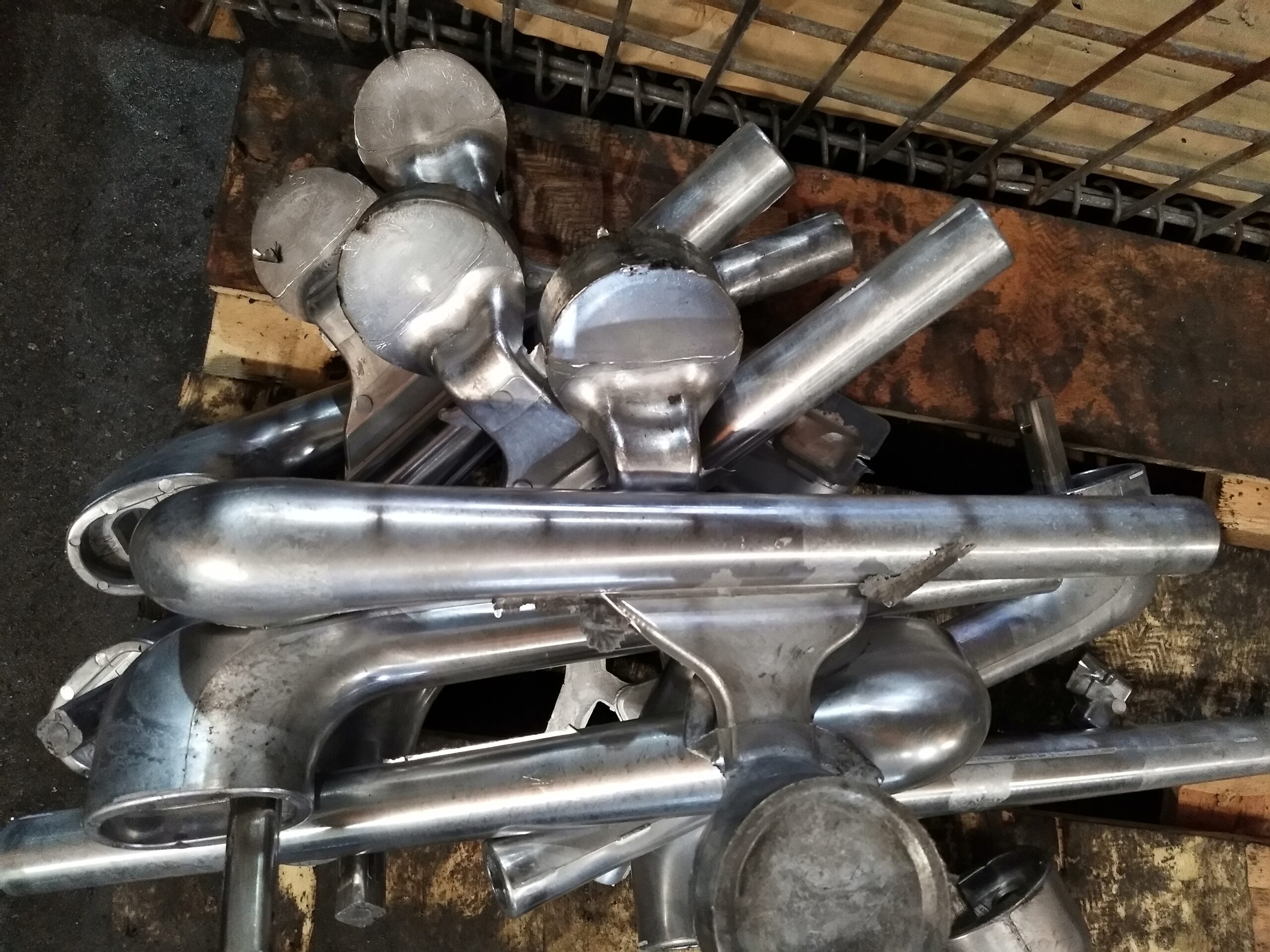
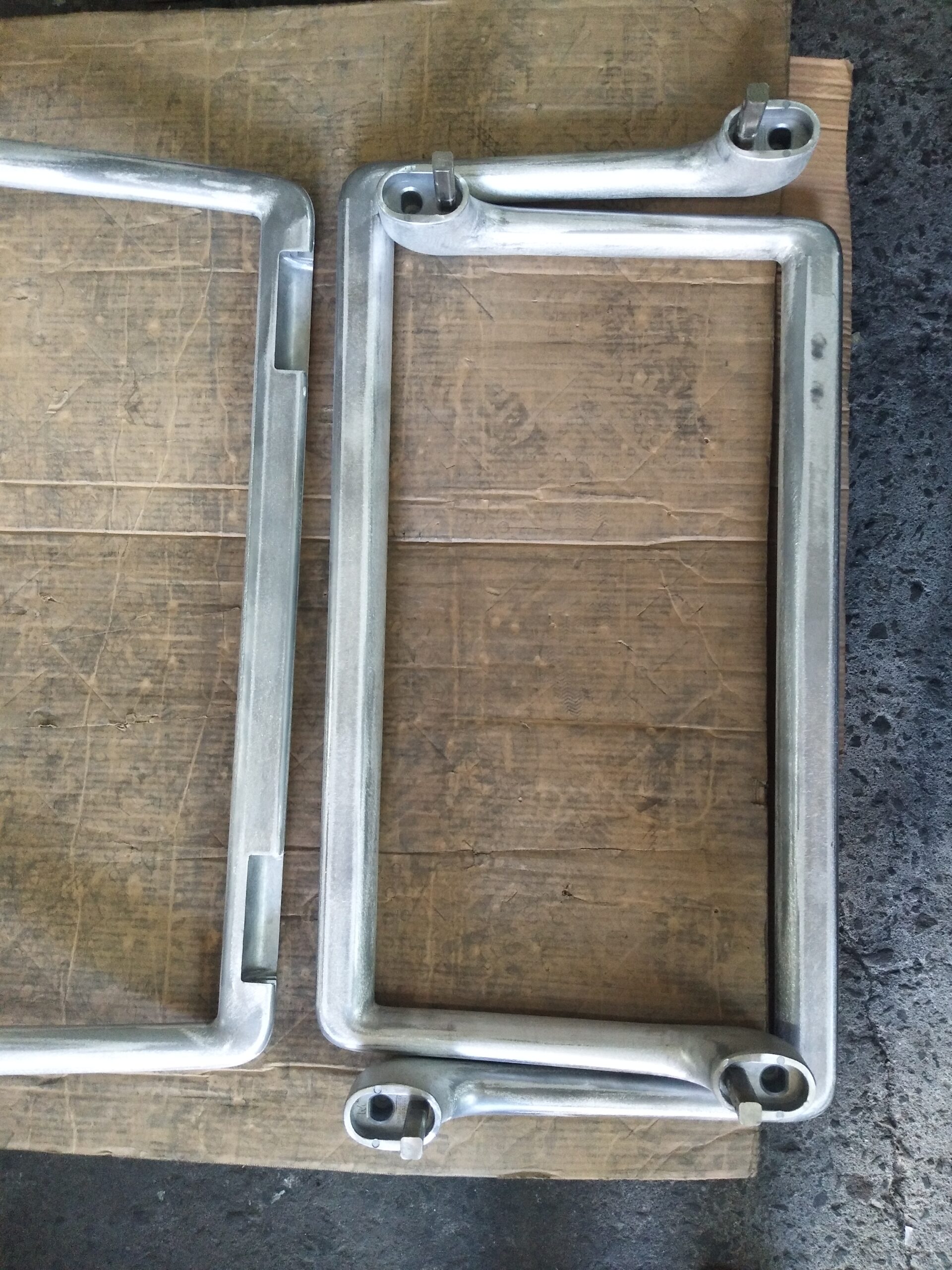
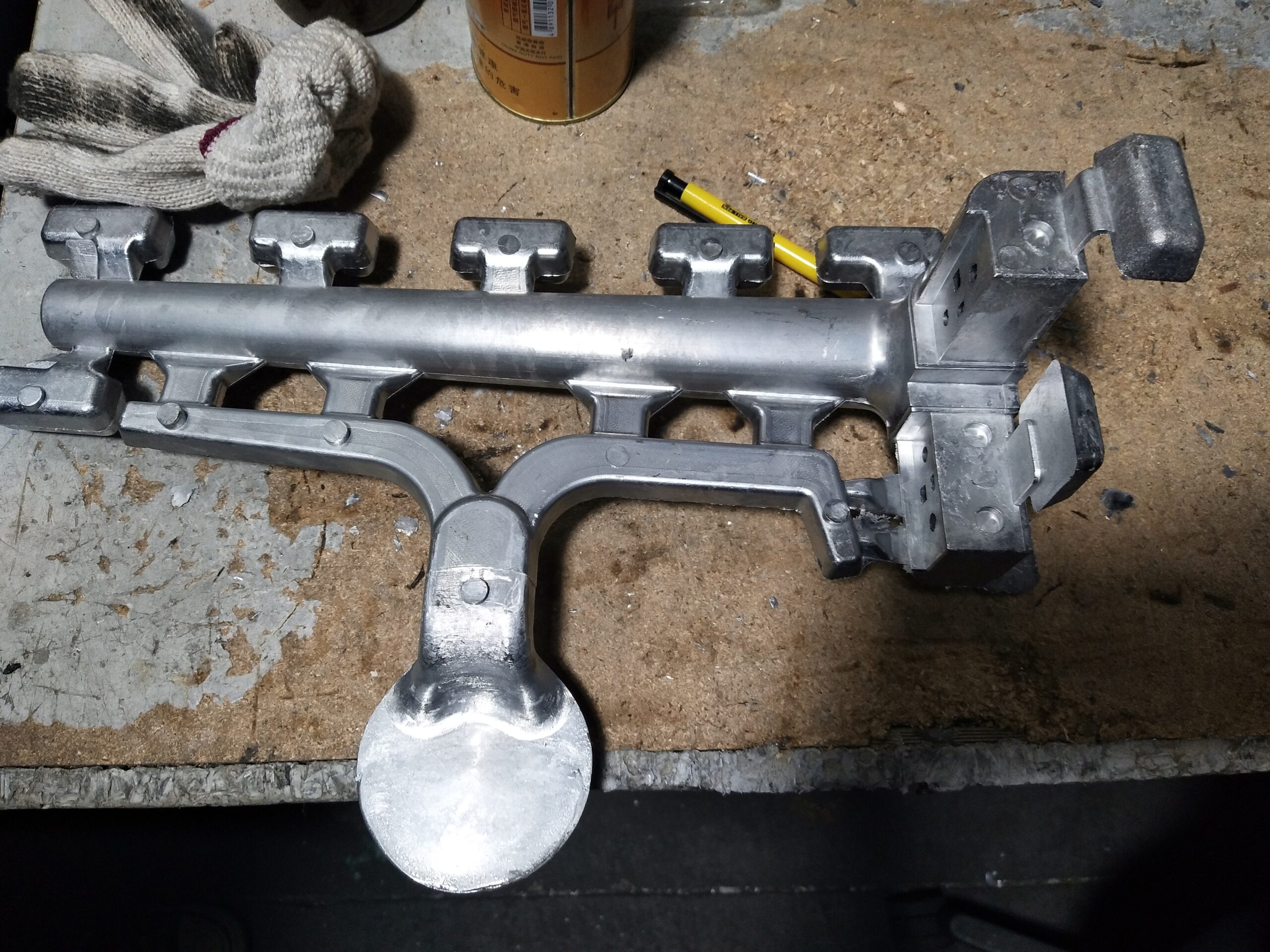
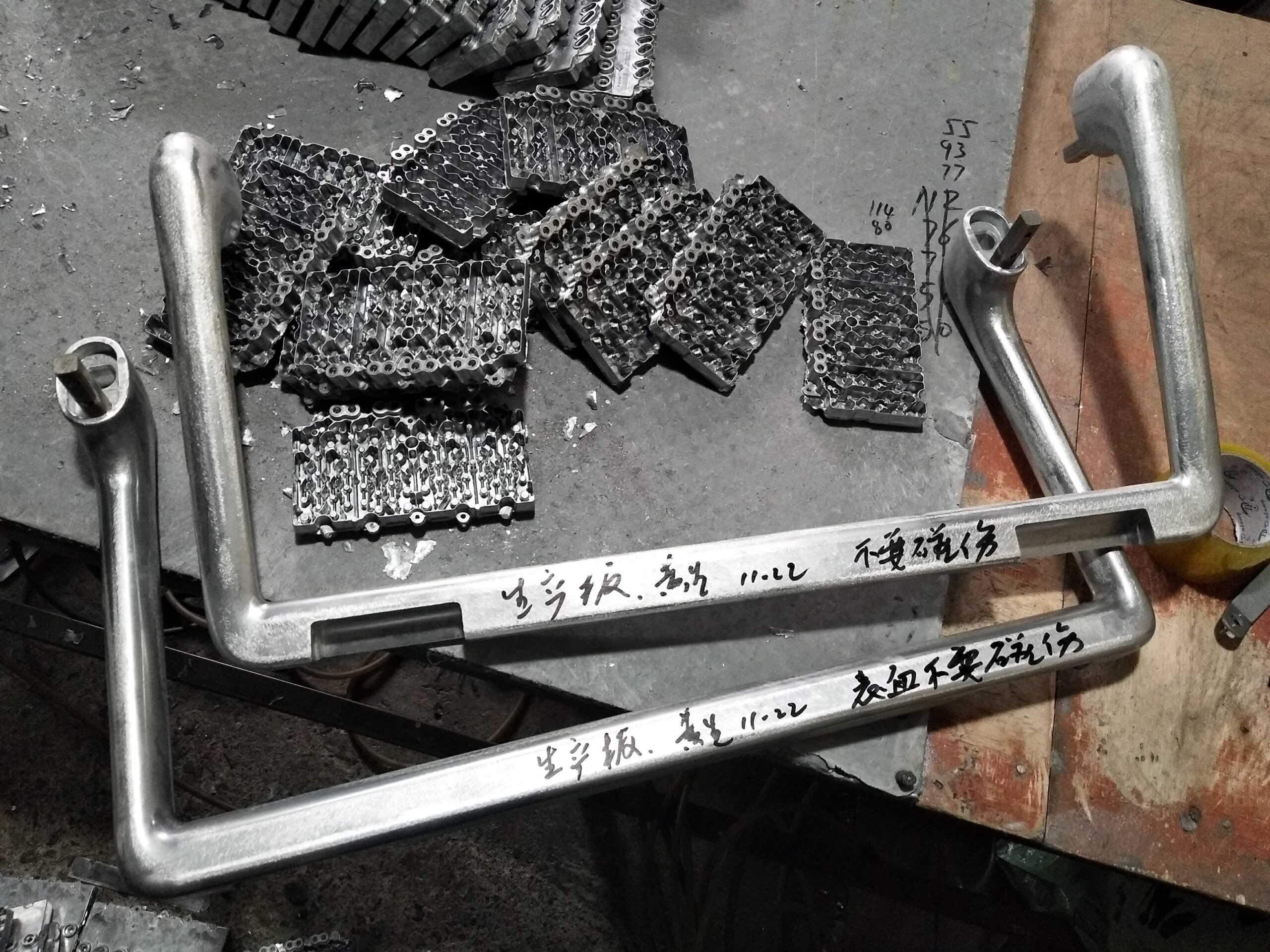
We take pride in the quality of our molds, which are used to produce a variety of products in a variety of industries. Here are some examples of products produced using molds manufactured at BVT Impex. These examples demonstrate our capabilities and confirm our commitment to high quality and precision. Our molds ensure stable and efficient production, meeting the most stringent requirements of our customers.

FAQ
Answers to your questions about the mold design process
We have compiled the most frequently asked questions about our mold design services. If you have any additional questions, please contact us.
The mold design process includes the following stages:
- Information Gathering: The client provides data about the product to be manufactured.
- Concept and Drawing Development: Creating initial drawings and detailed descriptions.
- Parameter Layout: Determining the shape, material, dimensions, and other technical specifications.
- Creating a 3D Model: Developing detailed 3D models of the future product.
- Prototyping and Testing: Creating and testing a prototype to identify and correct any potential inaccuracies.
- Documentation Formation: Completing the design process with the preparation of all necessary documentation.
We use advanced technologies such as CAD (Computer-Aided Design) for creating precise drawings and 3D models, CAM (Computer-Aided Manufacturing) for preparing data for production, and CAE (Computer-Aided Engineering) for analyzing and optimizing mold designs.
We actively implement innovative approaches such as computer modeling, 3D printing, and the use of artificial intelligence to optimize designs. These innovations enable us to create more efficient and durable molds, while also reducing design and production time.
Absolutely. We approach each project individually and work closely with our clients to understand their unique needs and develop molds that fully meet their requirements.
Our design processes are certified to international standards, confirming our commitment to quality. We use modern equipment and software, and conduct multi-level quality control at all stages of the design process.
Quality mold design allows for optimizing the structure and processes, which reduces waste and shortens production time. This, in turn, helps significantly lower the costs of subsequent production and maintenance of the molds.
Mold design request
Submit your request now
Contacts
For quick contact with our manager or technical specialist, please use the following contact information:
To submit a mold design request, please fill out the following form: